

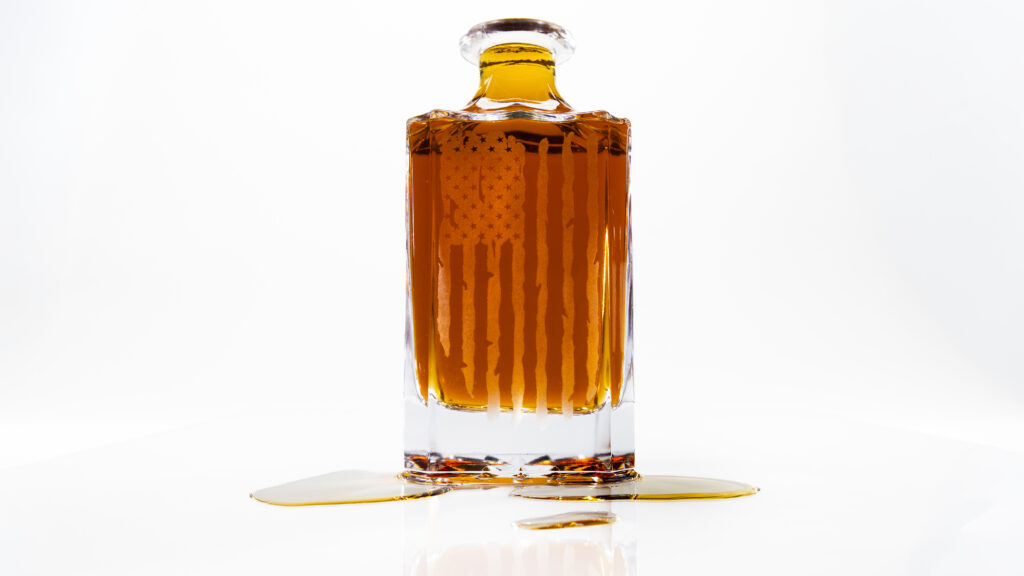
It is a drug that kills nearly 500 Americans every day, and causes more deaths in a typical year than every infectious disease combined. It is manufactured abroad and domestically, then sold by powerful multinational organizations with a vast network of distributors. Its promoters can appear indifferent to its addictive and ruinous properties.
For decades — for centuries, really — it has destroyed lives, torn apart families, stunted the economy, and caused millions of deaths. Yet alcohol, by far the most popular and most harmful mind-altering substance in the U.S., is not seen as a public health emergency.
Alcohol is central to American life because of its social and cultural benefits to the many people who drink without issue. But alcohol’s ubiquity persists in the face of mountains of research linking heavy drinking to cancer, heart disease, stroke, cognitive decline, developmental disorders, gun violence, injuries, and countless other consequences. Alcohol-related injuries, disease, and fatalities have spiked in recent years, starting in 2020. Older adults, women, and young people have been especially harmed, including by a sharp rise in liver-related deaths. Alcohol-related emergency department visits nearly doubled in the U.S. between 2003 and 2022.
For those addicted, alcohol is “an absolute poison,” Jenny Wilson, an emergency physician in downtown Reno, Nev., said. Acute and chronic problems caused by excessive alcohol use show up in her work, “every single day, multiple, multiple times. Without question.”
But the mass death and sickening of Americans due to drinking is not an inevitability. A STAT investigation shows that this epidemic is a generational failure of the medical and public health systems, of industry, and of government — and that the Trump administration is wasting a unique opportunity to attack the problem.
Political leaders, including those in the health-conscious Make America Healthy Again movement led by health secretary Robert F. Kennedy Jr., have largely ignored alcohol’s toll. Even the economic costs of excessive alcohol use, which top $240 billion annually — more than every American’s medical debt combined — have been disregarded. Alcohol tax revenue, on the other hand, has declined for decades as the cost of drinking goes down and inflation goes up.
Successive presidential administrations have done little to diminish alcohol’s harms. From the Reagan administration’s “Just Say No” campaign to the Obama administration’s “drug policy for the 21st century,” White House efforts on substance use have targeted illicit substances like crack cocaine, heroin, or marijuana. Alcohol’s brief moment in the spotlight occurred in January 2025, just before President Trump took office again, when Biden-era Surgeon General Vivek Murthy issued a report highlighting alcohol’s links to cancer. Trump’s second term has marked a return to business as usual, with some extra favors for a powerful alcohol industry.
If ever there were leaders touched by the ravages of drinking, they would be Kennedy and President Trump. Trump’s older brother, Fred Jr., died at the age of 42 from a heart attack caused by alcohol addiction, a loss the president says made him a teetotaler. Kennedy is the first health secretary in open recovery from alcohol addiction. Both men have vowed to reduce rates of chronic illness, and addiction specifically.
“Now I’m the chief of trying to solve it,” Trump told the Washington Post in 2019. “… I don’t know that I’d be doing that had I not had the experience with Fred.”
But neither has followed through with significant policy about the country’s favorite drug. Instead, the administration has loosened guidelines on drinking and slashed efforts to understand alcohol addiction, prevent more of it, and help people find a way out.
“These claims are baseless,” HHS spokesperson Emily Hilliard said. “Under Secretary Kennedy’s leadership, HHS continues to prioritize practical, evidence-based approaches to help people with substance use disorders access care and achieve long-term recovery.”
Hilliard cited the billions of dollars in treatment and recovery funding provided by HHS, including to state and local municipalities, as evidence that Kennedy is taking the issue seriously. Requests for interviews with Kennedy and HHS leaders handling alcohol efforts were not granted. The White House could not be reached for comment.
Industry groups, meanwhile, are quashing proposals for higher taxes or stricter regulation by exerting pressure on lawmakers and cozying up to power players in the worlds of philanthropy, medicine, and science.
The public health establishment has sidelined medication-based treatment and harm-reduction strategies that can prevent addiction, illness, and injury. In some cases, health officials and major medical associations are using disputed science to tout the supposed health benefits of alcohol. What few efforts do exist to address alcohol’s harms have been overshadowed by the opioid crisis, a parallel drug epidemic that attracts more funding, spurs more policy change, and garners more media attention despite being vastly less deadly.
STAT’s account is based on interviews with more than 100 researchers, public health experts, doctors, patients, industry insiders, and lawmakers, as well as a review of the latest scientific literature, addiction treatment protocols, laws and public health guidance, and lobbying disclosures from alcohol companies and the trade groups that represent them.
Drink’s hidden toll
Of 178,000 deaths that occur each year from alcohol, roughly one-third are from causes like car crashes and alcohol poisoning. The rest are from cancer, heart disease, liver failure, and other chronic conditions that result from sustained heavy drinking. As far as drugs are concerned, alcohol’s toll is only outpaced by the prolonged damage of tobacco.
But though the U.S. has dramatically cut tobacco use, it has never made a serious effort to curb alcohol-related harms other than in the infamous era of Prohibition. Over twice as many Americans consumed alcohol in 2024 than used tobacco products, federal estimates suggest.
Alcohol is a leading preventable cause of cancer similar to obesity and tobacco. Researchers have estimated that if Americans who drink consumed only one alcoholic beverage per day, it could avert 17,450 cases of cancer each year. Addressing problem drinking is one of the best ways to save more lives for less money, according to the World Health Organization.
The U.S. has gone in the opposite direction. Drinking-related deaths climbed in recent years, surging by 16% during the pandemic. Though alcohol consumption has since declined, alcohol deaths remain far above 2019 levels.

This article is exclusive to STAT+ subscribers
Unlock this article — plus in-depth analysis, newsletters, premium events, and news alerts.
Already have an account? Log in
View All Plans