

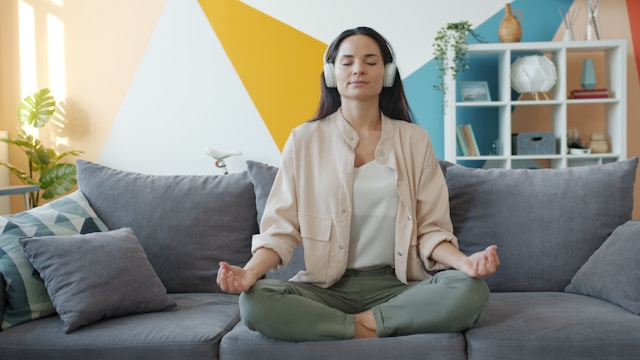
Your home should be more than just a place to sleep at night. It should feel calming, welcoming and tailored to your lifestyle. After long days at work, busy family schedules and endless responsibilities, having a relaxing living environment can make a huge difference to your overall wellbeing. The good news is that creating a more comfortable home does not always require a complete renovation. Small, thoughtful changes can have a lasting impact.
Focus On Natural Light
Natural light can completely transform the feel of a room. Bright, airy spaces often feel more uplifting and peaceful, while dark and cramped areas can feel draining over time. Opening curtains during the day, using lighter paint colours, and positioning mirrors strategically can help maximise sunlight throughout your home.
Modern design features can also improve how much natural light enters your space. Installing larger windows or stylish features, such as NOW Aluminium doors, can create a seamless connection between indoor and outdoor areas while helping rooms feel more open and spacious. This can be especially beneficial in kitchens, dining areas and lounges where people naturally gather and relax.
Choose Comfortable Furniture
Furniture plays a major role in how comfortable your home feels. While aesthetics matter, practicality and comfort should always come first. Sofas that are too stiff, dining chairs with poor support, or overcrowded layouts can quickly make a space feel uncomfortable.
When choosing furniture, focus on pieces that encourage relaxation and suit the size of your rooms. Soft fabrics, supportive cushions and functional layouts can all help create a calmer atmosphere. It is also important to avoid filling every corner with furniture. Leaving some open space can make a room feel far less cluttered and much easier to enjoy.
Create A Calming Colour Palette
Colours have a powerful effect on mood. Bright and bold shades can bring energy into a room, but softer tones are often better for creating a peaceful environment. Neutral colours such as beige, cream, light grey and soft greens are popular choices because they help spaces feel calm and timeless.
That does not mean your home has to feel plain. Adding texture through throws, rugs, cushions and natural materials can bring warmth and personality into the space without making it feel overwhelming. Wooden finishes, soft lighting and cosy textiles all contribute to a more inviting atmosphere.
Reduce Clutter Wherever Possible
Clutter can quickly make even the nicest room feel stressful. When surfaces are crowded and storage is limited, it becomes much harder to fully relax. Creating a comfortable home often starts with organisation.
Simple storage solutions such as baskets, shelving and hidden storage furniture can help keep rooms tidy without sacrificing style. It is also worth regularly clearing out items you no longer use. A cleaner and more organised environment often feels lighter, calmer and easier to maintain.
Minimalism does not have to mean empty spaces. Instead, focus on keeping items that are functional, meaningful or genuinely add value to your home.
Improve Lighting For A Softer Atmosphere
Lighting can dramatically influence the mood of a room. Harsh overhead lighting may feel practical, but it can also make spaces feel cold and uninviting. Layered lighting tends to create a much more relaxing environment.
Table lamps, floor lamps and warm-toned bulbs can instantly make rooms feel cosier during the evening. Dimmer switches are another great addition because they allow you to adjust the brightness depending on the time of day and the atmosphere you want to create.
Candles and soft accent lighting can also add warmth and comfort, particularly in living rooms and bedrooms.
Bring Nature Indoors
Adding natural elements to your home can help create a more peaceful setting. Houseplants are an easy way to introduce colour and freshness while helping rooms feel more vibrant and alive. Even a few small plants can soften a space and make it feel more welcoming.
Natural materials such as wood, stone and linen can also contribute to a more relaxing environment. These textures often create a grounded and balanced feel that works well in both modern and traditional homes.
Make Your Space Work For You
Ultimately, comfort looks different for everyone. Some people prefer quiet, minimalist interiors, while others feel happiest surrounded by books, artwork and personal touches. The key is creating a relaxing living environment that supports your daily routine and helps you unwind.
By focusing on lighting, organisation, comfort and thoughtful design choices, you can create a living environment that feels calm, functional and enjoyable every single day.