

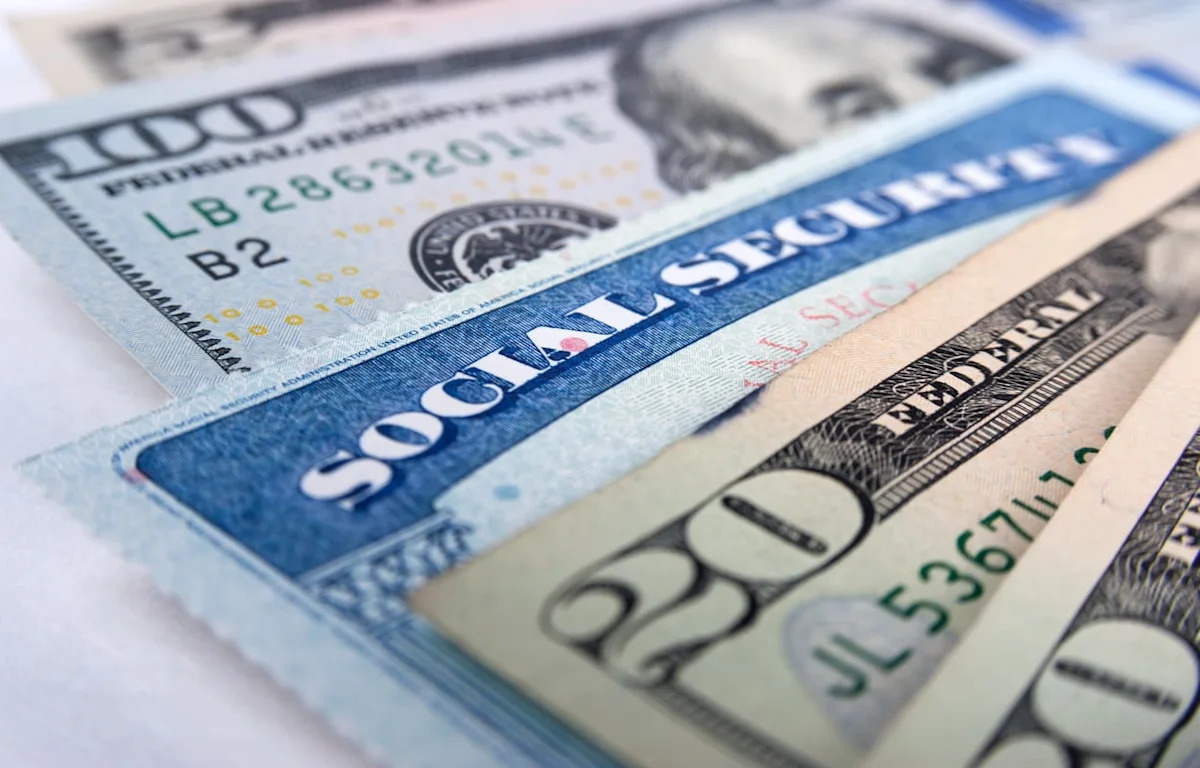
All eyes are on the 2027 Social Security cost-of-living adjustment (COLA), with the official announcement now just weeks away, but that’s only one of several changes the program will experience next year. There are a handful of others that could affect the size of your checks or how much income you take home from your job, if you’re still working.
The following four changes may not all affect you in 2027, but they’re worth bearing in mind. These updates occur annually, and they could come into play for you in future years.
Missed Nvidia in 2009? This Rare Signal Is Flashing Again. In 2009, a “Double Down” signal flashed for a little-known chipmaker called Nvidia. For the first time in years, that same “Total Conviction” signal is flashing for a company 1/100th the size of Nvidia. Continue »

1. You’ll get a benefit increase
All Social Security beneficiaries will receive a COLA in 2027, though we don’t yet know what it will be. Recent estimates from The Senior Citizens League put it at around 3.8%. That would add roughly $79 per month to the $2,084 average retirement benefit as of June 2026.
But you could get more or less than this depending on how your checks stack up to the average and whether the COLA comes in higher or lower than expected. We’ll find out the official percentage on the morning of Oct. 14.
2. You’ll have to work harder to earn retirement credits
Each year, the Social Security Administration updates the income required to earn a credit. You need 40 of these to be eligible for Social Security retirement benefits once you turn 62, and you can earn up to four credits per year.
In 2026, one credit is $1,890 in earnings. This will increase next year, but probably not by much. Even many part-time workers will still qualify for their four credits in 2027, so this change shouldn’t prevent you from qualifying for retirement benefits in the future if you haven’t already. And if you’re already eligible for retirement checks, this shouldn’t affect you at all.
3. Wealthy Americans will have to pay more in payroll taxes
Many don’t realize this, but the Social Security Administration actually doesn’t assess payroll taxes on all income each year. In 2026, you only pay this tax on the first $184,500 you earn. For most people, that means they owe Social Security taxes on every dollar they earn, though that’s not true for wealthy Americans.
This cap will increase next year, but we don’t know by how much yet. Most people won’t notice a difference. If you do, you’ll likely pay a few hundred dollars in additional taxes next year.