

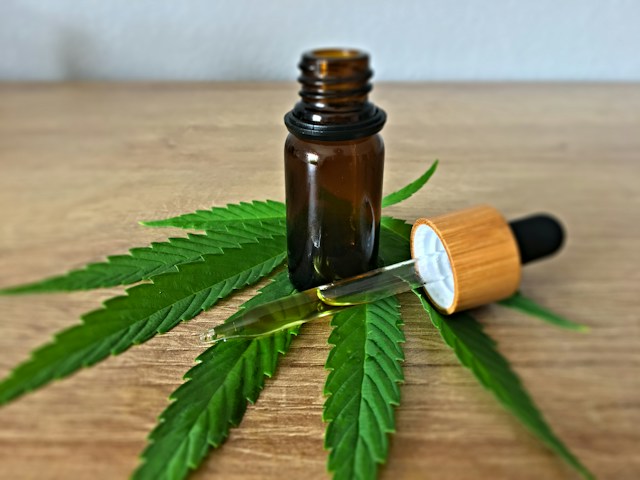
Walk into a UK health shop and you will usually find CBD on a shelf. Read about cannabis online, though, and much of what turns up describes Canada. Two very different rulebooks end up discussed as though they were one.
The gap between them is wider than the packaging suggests. Canada legalised cannabis nationally in 2018 under the Cannabis Act, and licensed adult retail there includes mail order. BuyMyWeed Canada is one Canadian mail-order dispensary of that kind, shipping inside Canada only. Readers of this site in the UK cannot lawfully order from it, and the Canadian system changes nothing about UK law.
Access in Canada is adults only. The legal age is 19 in most provinces, 18 in Alberta and 21 in Quebec. Quebec raised its limit to 21 on 1 January 2020. Legality varies by location, and everything here refers to Canada’s legal, regulated market.
None of this article is medical advice. Nothing below presents cannabis or CBD as a treatment for any condition. Speak to a clinician about any health question.
What Can A UK Shopper Actually Buy?
The UK answers two separate consumer questions with two separate systems. One is a food question, and the other is a controlled drug question.
CBD sold on a UK high street belongs to the first system. It is treated as a food supplement rather than a medicine, so no medicinal claim may appear on it. THC remains controlled here, so a shelf product must stay within the 1 mg exempt product limit for controlled cannabinoids.
The Food Standards Agency lowered its advisory intake for CBD in food from 70 mg a day to 10 mg a day in 2023. That figure is guidance for healthy adults, not a dose, and it covers everything a person takes across a day. A Canadian adult-use product sits outside food rules entirely.
A UK shelf product therefore has to satisfy a short list:
- It is sold as a food supplement, never as a medicine.
- It may make no claim to treat, prevent or cure anything.
- It must sit inside the novel foods authorisation process.
- Controlled cannabinoid content must stay under the 1 mg container limit.
- No pharmacist dispenses it, because it is not a licensed medicine.
What Does Novel Food Status Mean In The UK?
Novel food is a food safety category, not a verdict on whether something works. It covers any food with no significant history of consumption in the UK or EU before May 1997. CBD extracts were placed in that category in January 2019, which started a long authorisation queue.
The practical result is a public list. Products tied to a validated application may stay on sale while assessment continues.
That process asks what is in the bottle and whether the amount is safe. Readers who already evaluate health information before trying something new will recognise the limits of that question.
How Does Canada’s Model Work Instead?
Canada took the other road and regulated the plant as an adult consumer market. Federal rules govern production, testing and packaging, while each province runs its own retail system. Licensed mail order then reaches addresses across the country.
Adult use is lawful there, and that is the part which does not travel. A Canadian buyer is buying a legal product from a licensed seller. Comparative work on legally regulating cannabis tracks how countries have taken very different routes to the same question.
BuyMyWeed Canada ships to Canadian addresses only, and age is verified before an order goes out. That restriction is why a UK reader sees this from the outside.
Why Are The Two Products Not The Same Category?
The word regulated does a lot of quiet work in both countries. The comparison comes apart in five places.
- Who regulates it. UK CBD answers to food safety regulators, Canadian cannabis to a federal drug regulator and a provincial retail authority.
- What it may contain. A UK product stays within the exempt product limit, while a Canadian one is sold on its stated THC content.
- What may be said about it. Neither may be sold as a remedy, and UK food law is explicit on that point.
- Who may sell it. Any UK retailer may stock a compliant food supplement, while Canadian sale requires a licence.
- Where it may go. A UK product travels under UK law, and a Canadian one stops at the border.
Research bodies that study cannabis policy treat these as separate regulatory designs rather than versions of one thing. Regulated means a food safety file in one country and a controlled market licence in the other. Consumer questions about CBD product quality and customer safety sit inside the UK system, and they are worth asking there.
What UK Readers Should Keep In Mind
- Cannabis containing THC remains a controlled drug in the UK, whatever Canada does.
- UK CBD is sold under food rules, with a 10 mg a day advisory intake for healthy adults.
- Canada legalised adult use in 2018, at 19 in most provinces, 18 in Alberta and 21 in Quebec.
- A Canadian dispensary ships inside Canada only, so UK readers cannot order from one.
- Nothing here is medical advice, and no product is offered as a treatment.
Reading Two Rulebooks Without Mixing Them Up
Confusion comes from reading one country’s rules onto another’s shelf. A UK shopper is buying a food supplement under food law. A Canadian adult is buying a controlled product from a licensed retailer.
The useful habit is to ask which rulebook applies before asking anything else. That is answered by where you live, not by how a website looks.
FAQ
Is CBD Legal to Buy In the UK?
CBD sold as a food supplement is legal to buy in the UK when it meets food rules. It must sit inside the novel foods process and stay under the exempt product limit for controlled cannabinoids. THC cannabis remains controlled here.
What Is the UK Advisory Intake for CBD?
The Food Standards Agency advises healthy adults to take no more than 10 mg of CBD a day from food. That figure replaced an earlier 70 mg advisory in 2023. It is guidance rather than a dose, and it is not advice for any condition.
Can a UK Reader Order From a Canadian Dispensary?
No. Canadian licensed retail, including mail order, serves adults inside Canada. Shipping stops at the border, and UK law is unchanged by anything Canada permits.
Why Does This Article Give No Health Guidance?
Because the subject is regulation, not health. Nothing here is medical advice, and nothing is offered as a treatment. A clinician is the right place for any health question.