

Prices in the U.S. economy kept rising in August, according to government data released Friday, ratcheting up the affordability squeeze on American consumers while raising pressure on the Federal Reserve to increase interest rates at its meeting next week.
The consumer price index rose 0.4% from July to August, the Labor Department announced, contributing to a 3.4% annual inflation rate. The monthly figure was four times higher than the prior month’s reading, while the annual rate held steady. Both were in line with expectations.
Core inflation, a measure that ignores volatile food and fuel prices, rose 0.3% on a monthly basis, a bit higher than expected. The annual core reading stood at 2.4%.
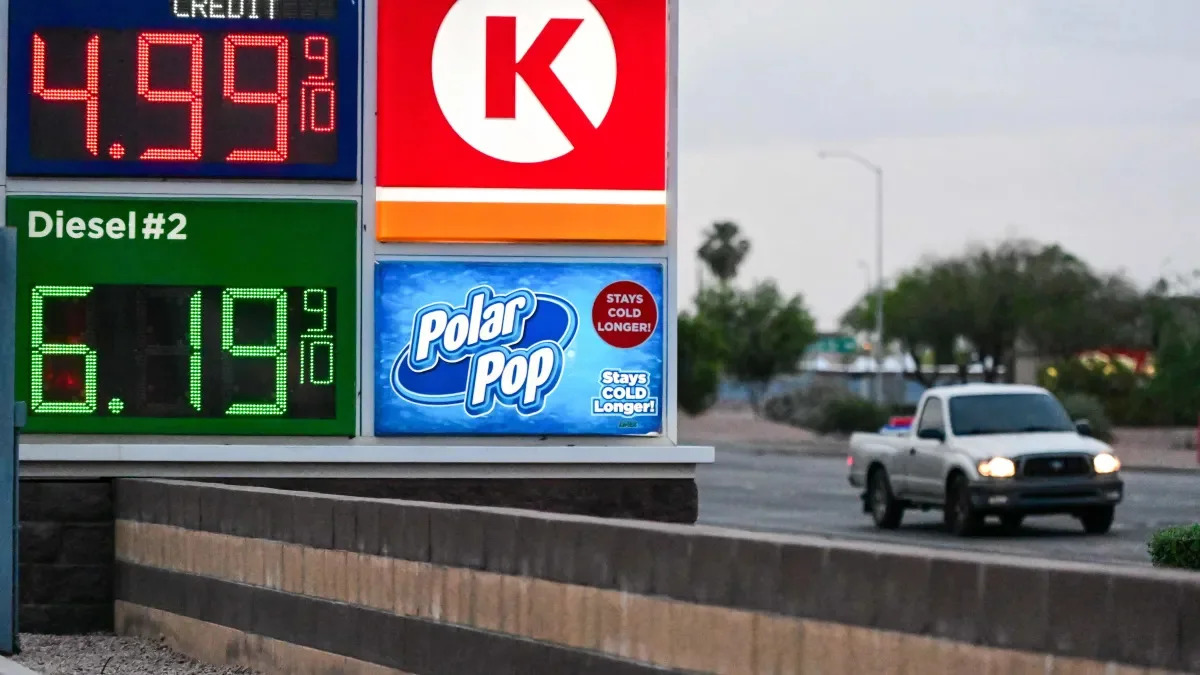
Energy was a key driver of inflation, with gasoline prices rising 27.4% on an annual basis due to the war with Iran. Airfares were up sharply, as well, with prices up 23% over the last year due to more expensive jet fuel. But the price hikes extended beyond energy and closely related sectors, suggesting that inflationary pressure is becoming broader. Both hospital and car repair prices rose 5.2% year-over-year, while clothing was up 3.6% and restaurant prices up 3.4%. The cost of shelter rose 3%, and the price of food rose 2.7%.
What the analysts are saying: “America still has an inflation problem,” Navy Federal Credit Union Chief Economist Heather Long said on X. “Americans are getting financially squeezed.”
Long noted that inflation has now erased all wage gains since April. Wages have grown 3.1% over the last year, Long said, but topline inflation has been higher at 3.4%.
Mark Zandi, chief economist at Moody’s Analytics, said the economy is under pressure from multiple sources, including the Iran war and President Trump’s trade policies. “You’ve got a lot of shocks that are pushing up inflation and making it uncomfortably high,” he told CNBC. “The shocks, we keep hoping they fade away into the background. But they’re not going away. They’re still plaguing us with these big increases.”
The persistent pricing pressure seems to be spilling over into how people feel about the economy. The University of Michigan’s survey of consumers showed sentiment dropping to 47.8, down from 51.7 at the end of August.
“Year-ahead expectations for both personal finances and business conditions plunged,” said the survey’s director, Joanne Hsu. “With a resurgence in fuel prices and trade tensions, consumers anticipate greater pressures on their pocketbooks to come.”
Rate hike likely: Thanks to persistent inflation, Wall Street traders now assign an 87% probability to an interest rate hike when Federal Reserve policymakers meet next week, according to the CME FedWatch tool.