

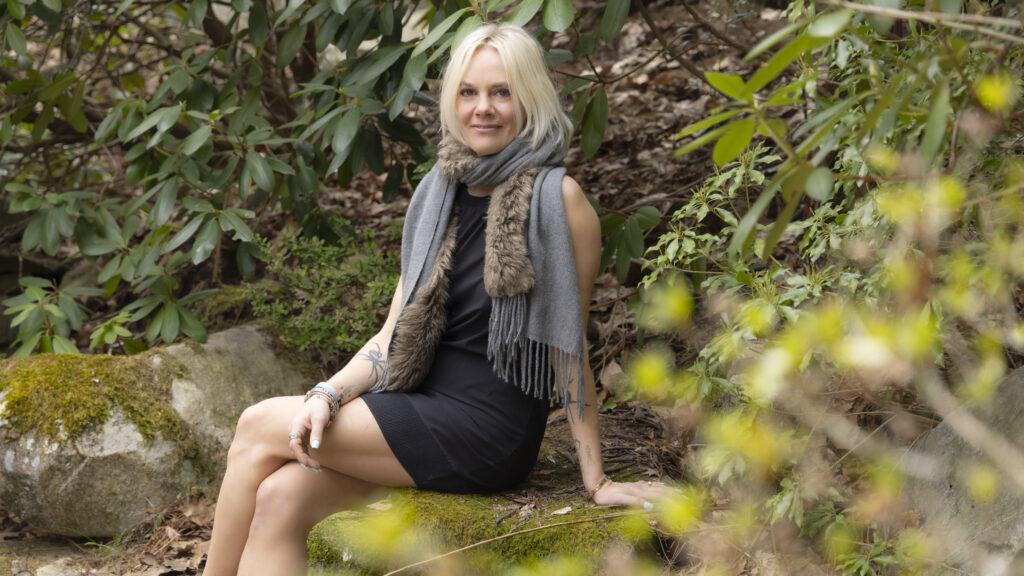
All Jillian wanted was to regain control of her drinking.
At 38, she knew alcohol had already cost her a marriage and begun to threaten her career. What had started as typical college-age shenanigans had morphed into regularly overindulging at professional happy hours, and eventually into an all-day urge to drink. Most days, a bottle of vodka journeyed from standing full in a cabinet to laying empty in a recycling bin.
“I got to the point where I said: Holy shit, I can’t stop on my own,” Jillian said.
Her boyfriend was at a loss. Her therapist’s harm-reduction tactics helped at times, but the relapses kept coming. And while her family doctor encouraged her attempts to cut back, he never prescribed medication that might help. In the end, Jillian took the only path she knew: She sought a local Alcoholics Anonymous meeting.
But the mutual help group didn’t do the trick, either. She found the programming too God-centric and the messaging about achieving sudden, permanent abstinence unrealistic. At several points, men aggressively pursued her and other women there, offering rides home or seeking their phone numbers under the guise of mentorship. When she did find camaraderie, it was with other attendees who met up after meetings to drink at a nearby bar.

This article is exclusive to STAT+ subscribers
Unlock this article — plus in-depth analysis, newsletters, premium events, and news alerts.
Already have an account? Log in
View All Plans