

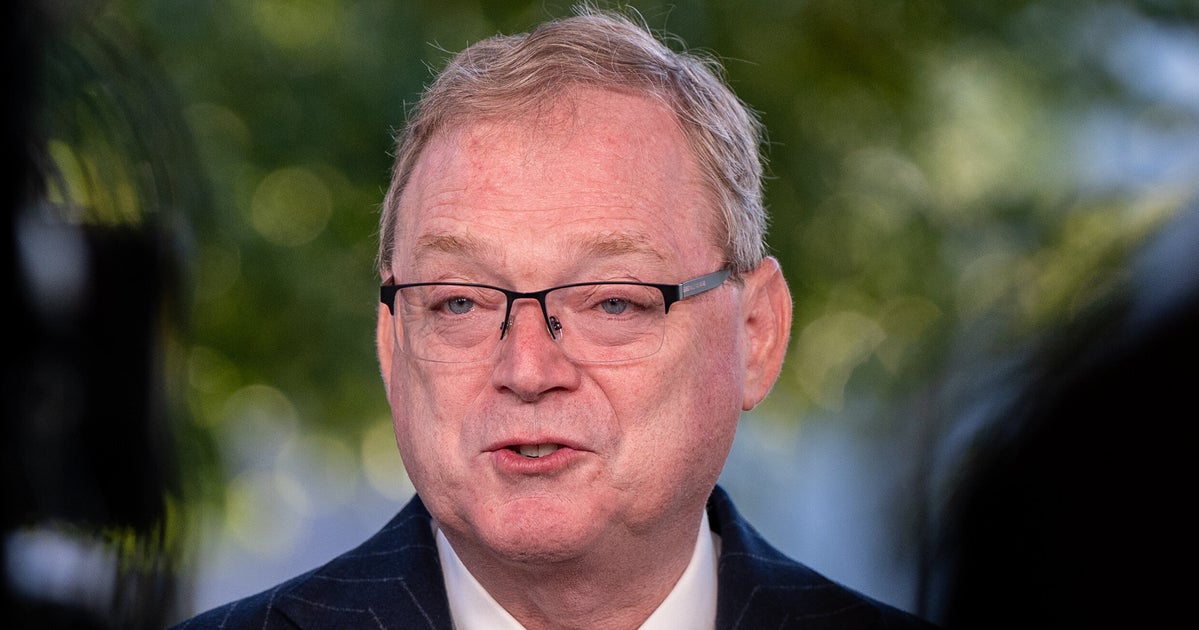
The Director of the National Economic Council, Kevin Hassett, didn’t let pesky things like facts and accurate statistics stop him from putting a sunny spin on, frankly, a weak July jobs report.
The U.S economy slashed 23,000 jobs last month. In more discouraging news, the Bureau of Labor Statistics noted it revised down both May and June job numbers combined by about 103,000, The Associated Press reported.
Even worse: the 4.1% unemployment rate may have been its lowest point since June 2025, according to The AP. Additionally, July’s labor market lost 264,000 people due to them dropping out.
It’s no wonder the not-so-great news shocked some on-air hosts on both CNBC and Fox News, as economic experts previously predicted nearly 100,000 job additions by employers in July.
But that didn’t stop Hassett, during an interview on Fox News, from trying to put the most positive spin he could. And, boy, was it doo-bee-yus.
The top White House economic adviser suggested that “if you throw out the World Cup and the government workers, we actually had a number that was plus 100,000, which is about what we expected given that the unemployment rate went down.”
He then touted the stronger parts of the economy, such as construction and manufacturing, and said, “We have to look through the special factors when we’re trying to judge this.”
Many social media users mocked Hassett’s dubious economic spin by taking it to its logical extreme.
Some people claimed to know who was really to blame for the bad economic numbers.
Another suggested that Hassett was using a new kind of counting system: “MAGA math.”
This isn’t the first time Hassett has stretched the bounds of truth to make the economy under the Trump administration look good.
In June, he suggested you could make the inflation numbers look better by excluding New York and California from the statistics.
In May, Hassett claimed that increased credit card spending is a sign of consumer confidence.
In December 2025, he blamed high layoff numbers on the way pollsters asked Americans questions about the economy.