

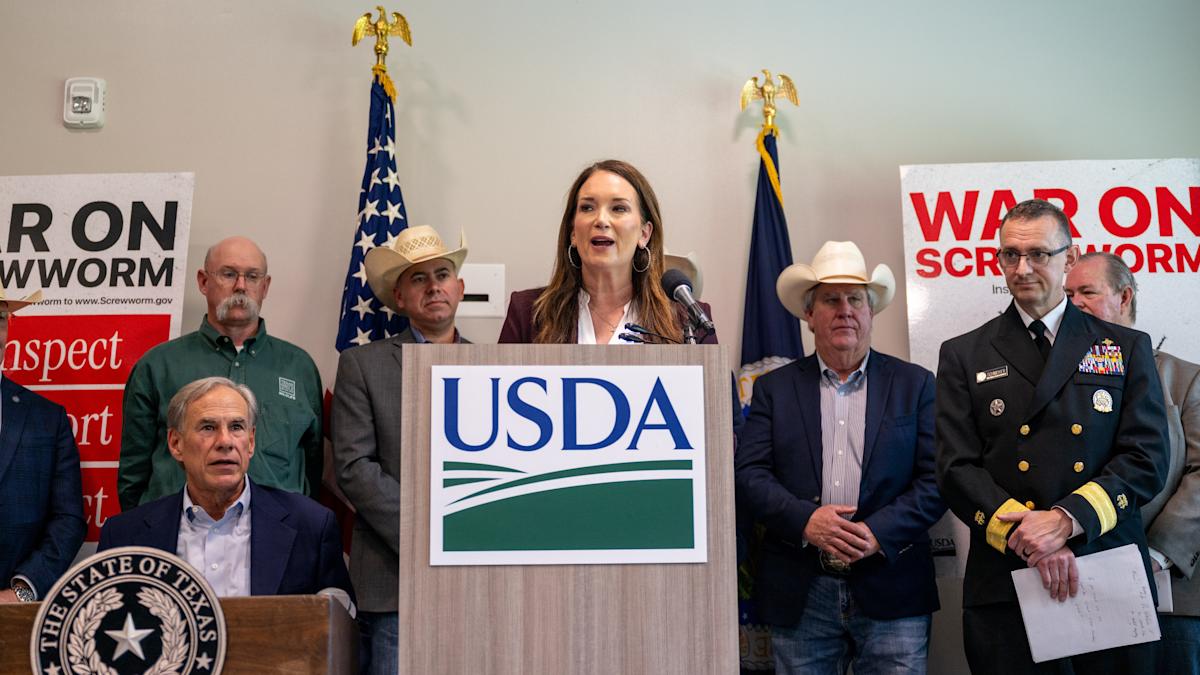
For most investors, a flesh-eating parasite resembles a horror movie character more than a market-moving event. But that’s exactly what’s unfolding after federal officials confirmed multiple cases in Texas of the New World screwworm, a parasitic fly whose larvae burrow into the living tissue of livestock and other warm-blooded animals.
The discovery, the first in the U.S. since 2016 (1), has reignited fears about the cattle supply, beef prices (2) and the financial health of companies that depend on a steady flow of livestock from ranch to slaughterhouse to supermarket shelf.
Must Read
The immediate threat to consumers remains limited. The U.S. Department of Agriculture emphasizes that the outbreak does not mean meat or any other food in the supply chain could become unsafe to eat (3). The threat is not like other meat-affecting diseases like bovine spongiform encephalopathy (BSE), commonly known as mad cow disease. The threat is to living livestock, not humans or prepared foods.
But investors don’t need a full-blown agricultural crisis for stocks to react. They only need a credible threat to future earnings.
That’s why the resurgence of screwworm is drawing attention far beyond ranch country. If the outbreak spreads or disrupts cattle movement for an extended period, the ripple effects could reach everyone from meat processors and grocery chains to animal-health companies and agricultural suppliers.
Meat processors face the greatest financial risk
The companies most exposed are meat processors that rely on a steady supply of cattle.
The timing is tough: America’s cattle inventory is already near its lowest level in decades after years of drought, elevated feed costs and herd reductions. A recent analysis from the Dallas Federal Reserve (4) shows beef prices have climbed 57% since 2020 as supplies tightened.
Now add a parasite capable of killing livestock and preventing them from being moved to reduce the risk of spread.
Recent reporting from Reuters noted that the U.S. livestock industry has already been disrupted by restrictions on cattle imports from Mexico (5), a country that historically supplied more than one million head of cattle annually to U.S. markets.
That dynamic may explain why investors immediately focused on meat processing companies such as Tyson Foods [NYSE:TSN] and JBS USA [NYSE: JBS] after new cases were confirmed. Both stocks fell (6) as traders assessed the possibility of tighter cattle supplies and higher processing costs. Tyson has already forecast substantial losses (7) in its beef segment, reflecting how difficult it has become to secure enough cattle at profitable margins.