

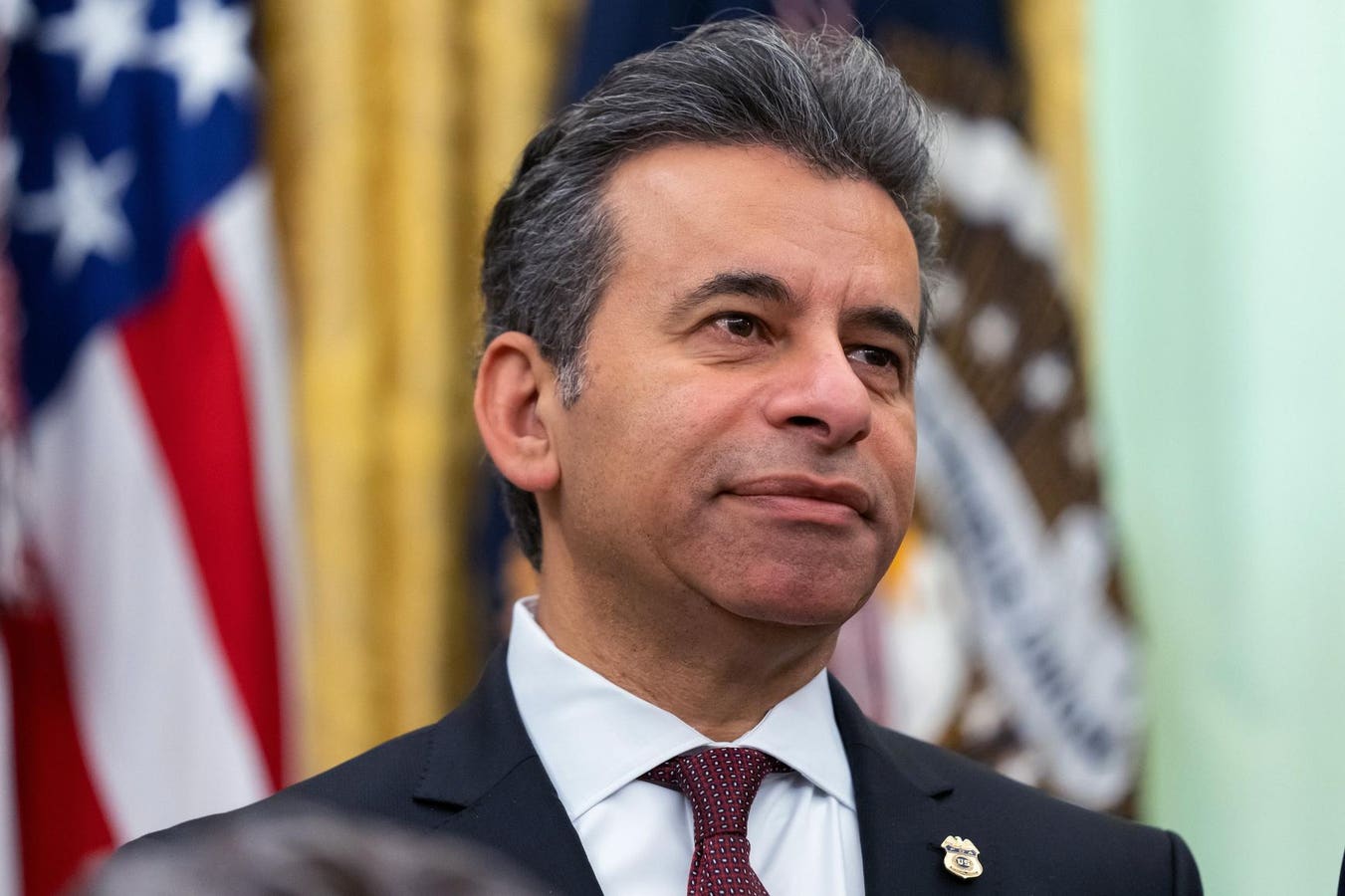
Dr. Marty Makary, Food and Drug Administration commissioner, announced his resignation on May 12, 2026. During his 13-month tenure at the agency, he pursued a wide variety of initiatives. Going forward, their status is unclear. (AP Photo/Mark Schiefelbein)
Copyright 2026 The Associated Press. All rights reserved.
Food and Drug Administration commissioner, Marty Makary, announced his resignation this week. During his tumultuous 13-month tenure at the agency, he pursued a wide variety of ambitious initiatives and regulatory changes, some more contentious than others. Going forward, their status under the next commissioner is unclear.
Among the wide-ranging alterations in FDA policy the commissioner worked on were a series of measures aimed at increasing transparency, reducing regulatory red tape to accelerate drug development pathways and tackling chronic disease (prevention) in collaboration with the Make America Healthy Again movement. STAT News added that Makary initiated programs to reduce animal testing, phase out the use of certain chemical dyes in food, streamline biosimilar development and ease regulations of therapies for ultra-rare diseases.
Makary prioritized shortening clinical trial timelines by expanding the allowance of single-study drug approvals. This meant accepting one robust clinical trial instead of two pivotal trials for a larger set of medicines than before. Traditionally, drugmakers usually must complete two separate, large-scale studies to demonstrate a new medication’s effectiveness and safety. Going forward, the FDA’s default position will be one study plus confirmatory evidence for novel products, especially in the oncology, rare disease and cell and gene therapy spaces.
While this policy marks a significant change, the FDA has been moving in this direction since the 1990s. About 60% of brand-new drugs approved over the last five years were licensed after one study. Moreover, the agency has often accepted a single study for treatments targeting orphan diseases where recruiting enough participants for multiple trials is difficult, or for life-threatening conditions.
Makary also called for legislators to codify the rare pediatric disease priority review voucher program which allows drug developers to expedite the regulatory review of their products, reducing the time it takes to get new pharmaceuticals to market. In addition, and more controversially, Makary advanced expedited reviews for drugs that align with “U.S. national priorities,” This policy has been criticized for allowing political appointees and senior officials in the administration — rather than career scientists—manage the FDA’s marketing authorization process. Specifically, critics of the program say it permits the administration’s control over which medicines make their way to patients most quickly.
On transparency, Makary was especially active. Among other actions he undertook was having the agency publicly post Complete Response Letters. These are the formal, written notifications drug manufacturers receive when their marketing applications cannot be approved in their current form. Historically, these had been kept confidential.
Makary also took on direct-to-consumer advertising of prescription drugs vigorous ly and openly. The Department of Health and Human Services and the FDA released a joint press release last autumn outlining that drug makers broadcasting commercials would be required to substitute the abbreviated safety disclosures they’ve used since 1997 with full warnings, including conditions or situations that make taking the medication potentially unsafe. In addition, the FDA stepped-up government enforcement to ensure “fair, balanced, and complete” ads. To this end, the FDA sent roughly 100 cease-and-desist letters to pharmaceutical firms and telehealth providers last September, accusing them of deceptive advertising. Notably, the agency made these notices available to the public.
Makary’s Chaotic Reign
While not lacking in reform efforts, Makary’s tenure can be described as chaotic beginning with the mass layoffs and accompanying loss of scientific expertise at the FDA. Conspicuously, some of the biggest personnel changes occurred at the very top of the agency. Former head of the FDA’s Center for Biologics Evaluation and Research, Peter Marks, left the agency just before Makary took office. Makary brought in his ally, Vinay Prasad, to serve as the Center’s director, which he did from May 2025 to April 2026. but Prasad’s rocky tenure included a brief resignation just a few months after being appointed. He returned to the agency shortly thereafter but departed again in April of this year. Makary selected George Tidmarsh as the head of the Center for Drug Evaluation and Research in July 2025, only to have him resign amid controversy less than four months later. Longtime FDA veteran Richard Pazdur replaced Tidmarsh but then quit after merely a few weeks on the job, owing to concerns about Makary’s leadership and political meddling.
In addition to personnel turnover, Makary presided over the pursuit of controversial policies on multiple topics. For instance, Makary appeared to promote leucovorin as a therapeutic for autism despite lack of evidence. Also, he went along with his boss, Robert F. Kennedy Jr.’s call for studies on possible links between acetaminophen and autism as well as childhood vaccines and autism, in spite of such associations having been debunked by many years of research published in peer-reviewed studies.
On vaccines, he took a less conventional approach to the COVID-19 shot by issuing age- and risk-stratified guidance. Further, he recommended halting routine COVID-19 vaccinations for pregnant women and healthy children.
And in the FDA’s updated dietary guidelines for the nation, Makary pushed saturated fat consumption — red meat and whole milk, for instance — along with several other questionable recommendations.
Makary is to be replaced temporarily by Kyle Diamantas, who will serve as acting commissioner. Diamantas was previously deputy commissioner for food at the FDA. He is a former lawyer without medical training and experience, which is highly unusual for a person in charge of the agency. Conceivably, he will maintain a business-as-usual stance on the initiatives Makary set in motion. But in light of the ongoing tumult at the FDA and more broadly within the entire HHS department, it’s unclear what will happen and who the next permanent commissioner will be. Similar to Makary, he or she will likely have to fend off allegations of political or ideological influence shaping decision-making at the FDA.