

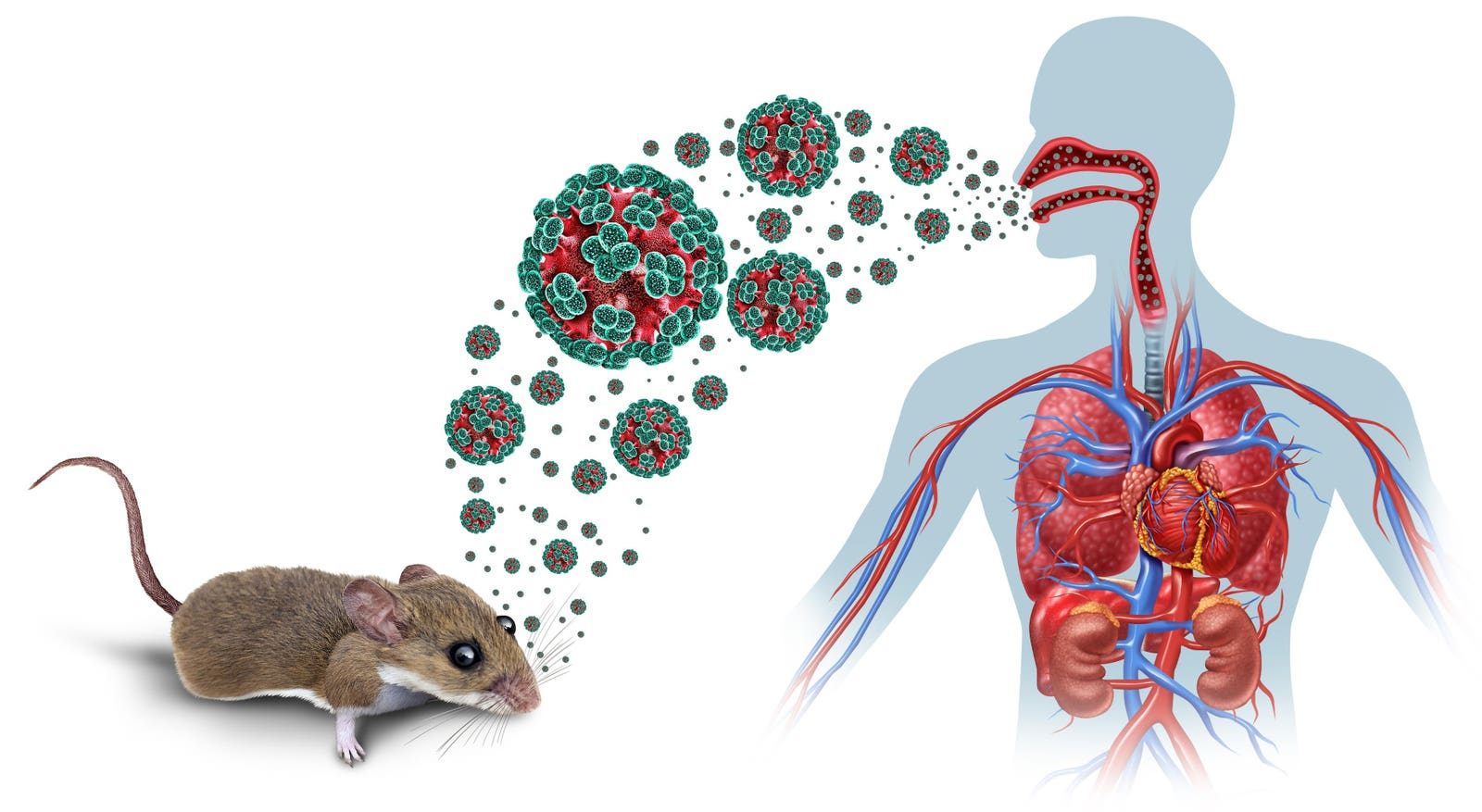
Hantavirus may capture headlines, but chronic conditions continue to account for the vast majority of preventable illness and death.
getty
One of the greatest challenges in public health is not identifying danger. It is helping people understand relative risk. Human beings are notoriously poor at assessing risk accurately. We fear threats that are dramatic, emotional, unfamiliar, and highly visible, while often ignoring the quieter risks statistically far more likely to harm us. The recent attention surrounding hantavirus is a useful example.
Hantavirus is rare, but terrifying. Spread primarily through exposure to infected rodent droppings, the virus can cause severe respiratory illness with a high fatality rate in confirmed cases. That combination — rarity paired with severity — makes it psychologically powerful. News coverage amplifies the fear because the story feels vivid and uncontrollable.
But for most Americans, the actual statistical risk remains extraordinarily low. According to the Centers for Disease Control and Prevention, fewer than 900 confirmed hantavirus cases have been reported in the United States since tracking began in 1993.
Meanwhile, the risks far more likely to shorten lives rarely command the same attention.
Many people fear shark attacks while heart disease remains the leading cause of death in the United States.
Parents may spend enormous energy worrying about rare vaccine complications while paying far less attention to childhood obesity, chronic sleep deprivation, social isolation, or distracted driving — all of which are vastly more likely to shape long-term health outcomes.
Over the past two decades, childhood obesity and obesity-related Type 2 diabetes have risen steadily worldwide. At the same time, loneliness among young adults has surged. Recent surveys show Gen Z reporting some of the highest levels of loneliness of any age group, despite being the most digitally connected generation in history. Loneliness is increasingly being treated as a legitimate public health issue, with the CDC linking social isolation to higher risks of cardiovascular disease, dementia, depression, and premature mortality.
Travelers fear airplane crashes despite commercial aviation being extraordinarily safe yet think little about the much greater risks associated with driving to the airport.
During disease outbreaks, people often obsess over disinfecting surfaces while underestimating the importance of ventilation, metabolic health, vaccination, sleep, or chronic disease management.
Behavioral researchers have long documented that human beings tend to overestimate dramatic, emotionally vivid risks while underestimating chronic and familiar ones. Risk perception is driven less by statistics than by psychology:
- Is the threat vivid?
- Is it unfamiliar?
- Does it feel uncontrollable?
- Is it emotionally charged?
- Is media coverage amplifying it?
The more dramatic the threat, the larger it feels in our minds — regardless of how uncommon it actually is. Meanwhile, chronic risks become nearly invisible precisely because they are common.
High blood pressure does not trend on social media. Poor sleep rarely generates breaking news alerts. Sedentary lifestyles feel normalized. Loneliness is often dismissed as emotional rather than biological despite growing evidence linking social isolation to cardiovascular disease, depression, cognitive decline, and mortality.
Even in everyday parenting decisions, this distortion appears constantly. A parent may worry intensely about a rare illness affecting a child at summer camp while overlooking the statistically greater risk posed by motor vehicle accidents during transportation to and from camp.
The problem is not that people care too much about rare risks. It is that public attention often becomes disconnected from proportional risk itself.
Modern media ecosystems worsen this imbalance. Fear spreads faster than nuance. Rare events generate wall-to-wall coverage because novelty captures attention. Chronic risks receive far less sustained focus precisely because they are familiar.
The result is a distorted public understanding of health.
Good public health is not about eliminating every theoretical danger. That is impossible. It is about helping individuals prioritize risk intelligently and invest energy where it has the greatest impact. That often means focusing less on frightening but unlikely events and more on the ordinary behaviors that consistently shape long-term outcomes:
- Exercise
- Sleep
- Nutrition
- Mental health
- Safe driving
- Social connection
- Preventive care
- Blood pressure and metabolic health
- Substance use moderation
- Access to trusted primary and specialty care
These interventions are not emotionally dramatic. They do not generate viral headlines. But they save lives every single day.