

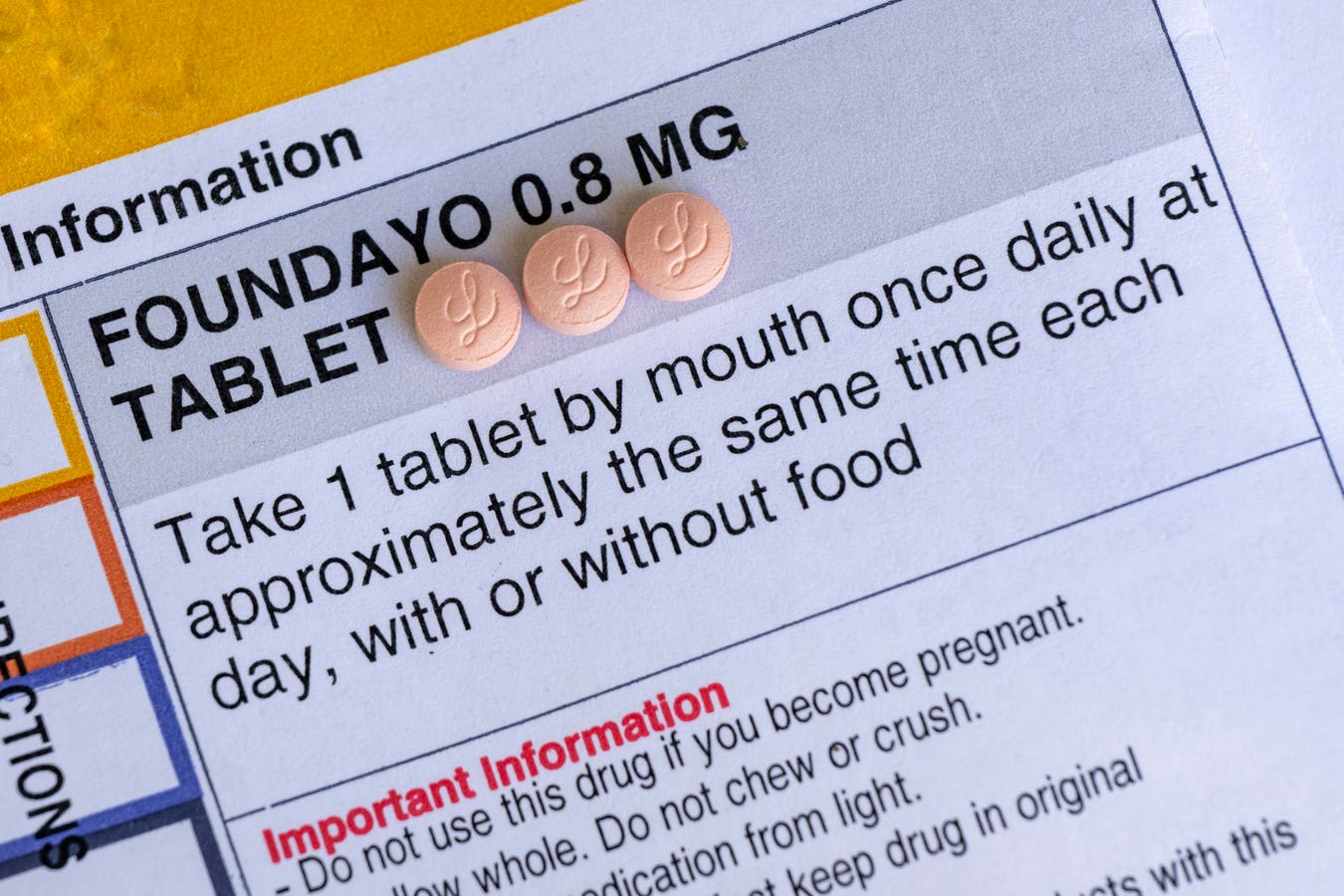
Eli Lilly’s Foundayo weight loss oral pill competes against Novo Nordisk’s oral Wegovy. (Photo by: Michael Siluk/UCG/Universal Images Group via Getty Images)
UCG/Universal Images Group via Getty Images
The drug maker Eli Lilly announced last week that both of its obesity medicines will soon be on the formularies of all three of the nation’s largest pharmacy benefit managers, OptumRx, Express Scripts and CVS Caremark. As the drug manufacturer noted, this is a meaningful step forward towards expanding access for millions of Americans. But having a product listed on formulary or coverable doesn’t necessarily mean it’s covered.
PBMs work at the behest of plan sponsors (employers, health plans and government entities). This applies in the commercial sector, but also the public programs Medicaid and Medicare. Subject to regulatory rules and laws that differ in the public and private sectors, PBMs carry out what plan sponsors direct them to do in terms of the products to actually cover for enrollees.
Employer-sponsored health plans and Medicaid in particular are not expanding access to weight loss drugs. In fact, quite a few payers have pulled back coverage this year. We don’t know yet how 2027 will shape up, though PBMs, employers, health plans and government entities are currently planning ahead for next year. It could be that lower net prices for branded obesity medicines cause more plans to cover the products.
But the fact that a federal government program designed to expand access to weight loss treatments has been put on hold should give pause. The Better Approaches to Lifestyle and Nutrition for Comprehensive hEalth model is a Centers for Medicare and Medicaid Services initiative to increase access for seniors and certain disabled persons to glucagon‐like peptide‐1 medications. The BALANCE model isn’t moving ahead as planned due to lack of sufficient voluntary participation by health plans. There doesn’t appear to be an appetite for expanded coverage. This said, Medicare beneficiaries will be eligible to pay $50 per month for obesity medicines beginning Jul. 1 through a bridge program operated by CMS.
As a longtime researcher, I’ve analyzed thousands of PBM formularies over the years. The devil is in the details of these lists of reimbursable medications. The relatively simple cases of products that PBMs have excluded from formulary altogether, including weight loss therapeutics, belie the complexities of what it means when you do see products on formulary. Besides all the various conditions of reimbursement that often apply in case of coverage, such as proof of the existence of co-morbidities, prior authorization, patient cost-sharing and indication restrictions, frequently employers and others will want the formulary templates to be tailored in such a way as to reflect their specific demands. And this can imply non-coverage of certain products or even entire therapeutic categories that appear on the formulary.
In the case of CVS Caremark, which had excluded Zepbound last July, it’s noteworthy that the drug which had been excluded is being added to the template formulary on Oct. 1st. Also, the newly approved obesity pill, Foundayo, is on formulary as of today, by June 1st. This makes both products coverable. But it does not imply that they will be covered by any given plan.
Actual coverage of, say, GLP-1s for weight loss, requires the plan sponsor to opt into paying for that benefit. This in turn depends on their preferences for what is and is not covered based on many different factors, including products’ clinical- and cost-effectiveness, budgetary impact and other considerations.
As health insurers and plan sponsors specifically express reluctance to cover weight loss drugs, access worsens for some who need treatments most. While at least 12% of adults in the United States have been prescribed a GLP-1 for one or multiple indications, 54% of patients report affordability challenges.
As employers reduce coverage for obesity medicines, drug makers’ direct-to-consumer platforms offer a way to mitigate out-of-pocket expenses.
The direct-to-consumer options offered by the manufacturers Eli Lilly and Novo Nordisk have substantially reduced prices and improved access, especially for those who lack insurance coverage. On LillyDirect, for example, patients can purchase drugs such as the once-weekly subcutaneous injectable Zepbound (tirzepatide), indicated for weight loss and obstructive sleep apnea, as well as the once-daily oral tablet Foundayo (orforglipron). On NovoCare Pharmacy, patients can buy Wegovy (semaglutide), indicated for weight loss, lowering the risk of certain cardiovascular events and treating a liver condition called metabolic dysfunction-associated steatohepatitis. Wegovy comes in the form of a once-weekly subcutaneous injection given under the skin and a once-daily oral tablet.
Depending on dosage, the cost of Foundayo on the Lilly’s DTC platform is between $149 and $349 a month; for the injectable Zepbound the range is $299 to $449. On Novo’s DTC portal, the monthly costs for the Wegovy pill are between $149 and $299, depending on dose; the range for the injectable version is $199 to $399.
While the DTC prices for the products are much lower than the list prices, for many people spending hundreds of dollars out-of-pocket every month is unaffordable. This explains the importance of having actual insurance coverage, which in the commercial market can reduce monthly costs to as little as $25 a month, particularly when co-payment assistance is offered by drug makers.