

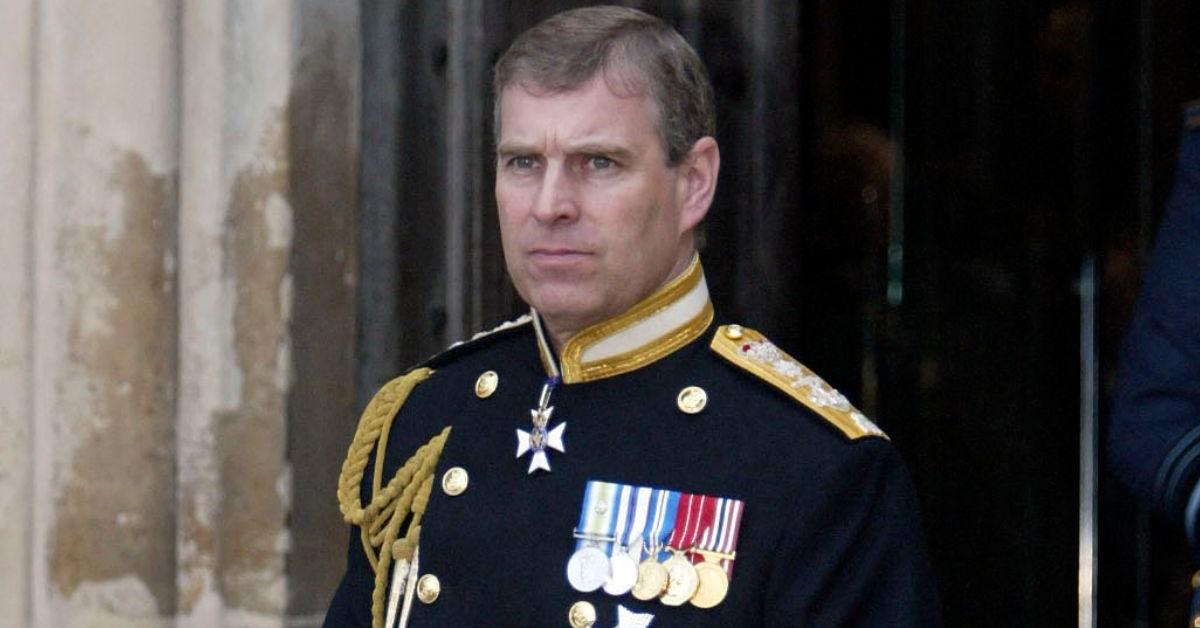
Andrew Windsor has suffered what royal insiders describe as another significant setback after being excluded from this year’s Order of the Garter events, deepening the sense the Duke of York’s days at the heart of royal life are firmly behind him.
As RadarOnline.com has reported, the 66-year-old younger brother of King Charles, 77, was once a prominent figure at major royal occasions, regularly appearing alongside his mother, Queen Elizabeth II, during some of the monarchy’s most important ceremonial events.
However, Andrew’s lack of participation in any aspect of this year’s Garter Day celebrations at Windsor Castle, held on June 15, have been widely interpreted as the latest sign of his continuing isolation from public royal duties.
While he has largely stayed away from the public elements of the event in recent years, he had previously remained involved in some private aspects of the day – but not anymore.
A source told us: “Garter Day was always one of the highlights of Andrew’s royal calendar because it symbolized his place within the monarchy’s inner circle and its centuries-old traditions.
“It was an occasion that reinforced his identity as a senior member of the Royal Family, even after he stepped away from public duties. That’s why being excluded from every aspect of the event this year is being seen as particularly significant. For many observers, it underlines just how far he has fallen from the position he once occupied.
“There is an increasing sense among royal insiders that the institution has decisively moved beyond him. With each passing year, and with every major royal occasion that takes place without his involvement, the prospect of any meaningful return appears more remote.
“The prevailing view is that the monarchy has adapted to life without Andrew and has little interest in revisiting the arrangements of the past.”
Andrew was stripped of his Order of the Garter honour last October over his links to convicted sex offender Jeffrey Epstein.
The Order of the Garter is Britain’s oldest and most senior order of chivalry, founded by King Edward III in 1348.
Every year, members gather at Windsor Castle for a procession and religious service marked by elaborate ceremonial dress, including the order’s distinctive robes and feathered caps.
Membership includes the monarch, who serves as Sovereign of the Garter, senior members of the Royal Family and a limited number of knights chosen personally by the King in recognition of public service or contributions to national life.
For decades, Andrew was a familiar presence at the event and was often regarded as one of the most visible members of the royal household.
His attendance continued to carry symbolic significance even after he stepped back from public duties and was stripped of the use of his HRH style in an official capacity.
A royal source said: “What makes this exclusion particularly painful is that Garter Day carried a significance for Andrew that went far beyond a routine royal appearance. It was one of the occasions that reinforced his connection to the monarchy’s traditions, its hierarchy and his own place within it.
“For decades, he was accustomed to attending these events as a senior royal, surrounded by family and playing a visible role in proceedings. To now be absent altogether is a stark reminder of how dramatically his circumstances have changed. People close to the situation say it forces him to confront the reality that the position he once enjoyed no longer exists.
“Watching other members of the family take part in ceremonies that were once such a familiar part of his life is said to be an increasingly difficult experience and one that underlines just how far removed he has become from the center of royal affairs.”
The decision has fueled renewed speculation about Andrew’s future place within the monarchy and whether any route back to public royal life remains open.
A palace observer curtly said: “In two words – he’s finished.”