

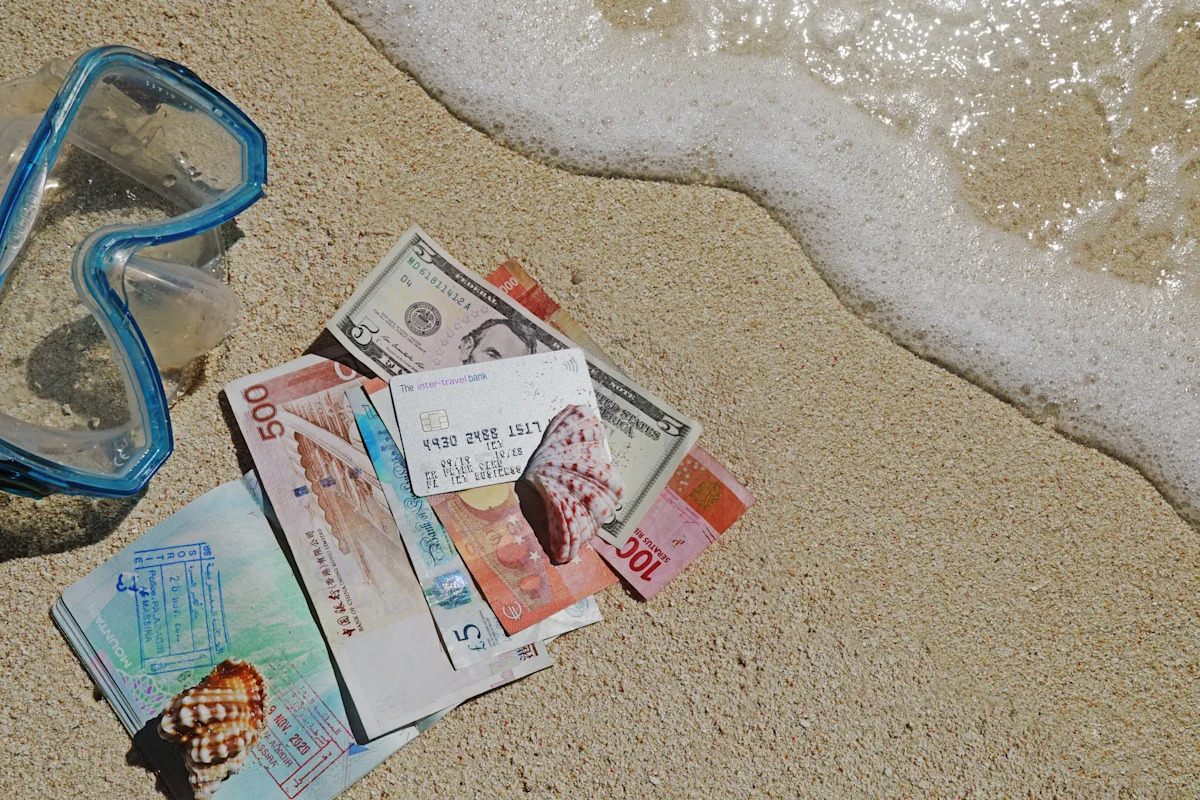
When you’re traveling, the last thing you want is to worry about money. But depending on where you go, you could have a long list of money-related concerns to deal with, such as foreign transaction fees, poor exchange rates, and more.
How can you minimize your financial worries while traveling? The best approach is to take a mix of different payment methods with you, so you’re prepared for any situation.
Credit cards: Pros and cons for travel
Credit cards can be great for travel, since they’re so widely accepted. On top of that, most credit card issuers provide ample fraud protection that you don’t get with debit cards.
In fact, most major credit cards have zero-fraud liability. That means if someone makes an unauthorized purchase on the card, you’re likely to get all of the money back. You just have to report the incident in a timely manner.
The main drawback to using credit cards for travel is that, depending on the card, you may be charged foreign transaction fees. You’ll also need to advise the issuer of your travel plans so you can avoid having the account flagged for suspicious activity.
Benefits
-
Most cards are widely accepted
-
Fraud protection for unauthorized charges
-
A stolen card can be frozen or closed
-
Ability to earn rewards
-
Some purchases may qualify for insurance
-
Required for certain bookings, such as hotels and rental cars
Drawbacks
-
Foreign transaction fees may apply
-
Possible flags for suspicious activity
-
Temptation to make impulse buys
-
Some card types may not be accepted in your destination
Debit cards: Pros and cons for travel
Debit cards can be a necessity for travel, since they give you access to ATMs. So, carrying at least one debit card is crucial for making sure you can withdraw cash as needed.
However, debit cards should only be used when necessary during travel, since they have fewer protections than credit cards.
Benefits
-
Accepted at most ATMs
-
Harder to overspend with than credit cards
-
Less risk of foreign transaction fees
-
Can’t be used without your PIN
Drawbacks
Cash: Pros and cons for travel
When you carry cash, you don’t have to worry about having your payment method declined. In certain situations, like tipping a tour guide or booking a local taxi, a credit or debit card may not be accepted at all. Plus, there’s no need to worry about fees when paying in cash.
However, the main risk of carrying cash is that you could lose it or have it stolen. Unlike with credit or debit cards, there’s no guarantee you’ll get that money back.
Benefits
-
Payments won’t be declined
-
Can be used in situations where cards aren’t accepted
-
No transaction fees on purchases
Drawbacks
International travel considerations
Before you head overseas, you’ll need to look into the details of your chosen payment methods. Depending on where you’re headed and which cards you use, you may have to deal with any or all of the following issues:
-
Foreign transaction fees on your debit and credit cards
-
Fees for out-of-network ATMs
-
Bank limits on ATM withdrawals
-
Currency exchange rates
-
Limited acceptance of your card type
Before you leave, make sure you understand your credit card issuer’s fees, and you know where you should go to get cash. Researching this information up front can help you make better choices about transaction methods and avoid unnecessary fees.
Read more: Traveling internationally? How to order foreign currency ahead of time.
What’s the safest payment method while traveling?
The safest payment method for travel depends, in part, on your destination. In most locations, it’s best to use contactless credit card options, like a digital wallet or a chip-and-PIN card that you tap.
Read more: Digital wallet vs. traditional bank account: Which is best for you?
However, cash is a good backup, since it doesn’t put you at risk of card skimming, and most vendors won’t decline your payment. You’ll just want to limit the amount of cash you carry, since, unlike credit cards, there usually isn’t a way to get your cash back if it’s stolen.
Finally, debit cards should only be used when necessary for things like ATM withdrawals, since they have limited fraud protection.
Should you travel with more than one payment method?
No matter where you’re headed, it’s crucial to have at least two different payment methods on hand. That’s because there’s a chance your primary payment method could be rejected, lost, or stolen.
The best approach is to carry one debit card, at least two credit cards, and enough spending cash to cover your daily purchases and transportation back to your lodging. That way, you have a way to make nearly any purchase you need.
Just make sure you store your payment methods separately, so you don’t risk losing them all at once. For the safest approach, carry at least one credit card, one debit card, and some cash while you’re out and about. As for the rest of your cards and money, store them safely in your hotel room or vacation rental.