

• Home
  • Politics
  • Health
  • World
  • Business
  • Finance
  • Tech
  • More
    • Sports
    • Entertainment
    • Lifestyle
What's Hot

MoonPay buys Entendre in digital finance infrastructure push

June 23, 2026

House Republicans Threaten Contempt After Dem Cash Cow ActBlue Ignores Subpoenas

June 23, 2026

There Is No ‘Dignity in the White House Anymore’

June 23, 2026
Facebook Twitter Instagram
  • Contact
  • Privacy Policy
  • Terms & Conditions
Tuesday, June 23
Patriot Now NewsPatriot Now News
  • Home
  • Politics

    House Republicans Threaten Contempt After Dem Cash Cow ActBlue Ignores Subpoenas

    June 23, 2026

    Trump Admin Threatens To Pull Critical Federal Funds Unless States Adopt Election Integrity Measures

    June 23, 2026

    White Democrat Women Dance Across America For Juneteenth

    June 23, 2026

    Joy Reid Claims Black People Aren’t Excited For July 4th, Juneteenth Is The ‘Real Thing’

    June 23, 2026

    Democrats Are Turning Out In Droves — Even In MAGA Country

    June 23, 2026
  • Health

    This Startup Says It Saves Medicare More Than $2 Million A Week

    June 23, 2026

    7 Signs You Need Physical Therapy (And How To Find the Right Provider)

    June 23, 2026

    Kidney transplant, livestock disease, Texas: Morning Rounds

    June 22, 2026

    The Hidden Hormone Controlling Your Energy, Mood, And Recovery

    June 22, 2026

    A New Way To Hit Pancreatic Cancer’s Hardest Target

    June 22, 2026
  • World

    One Dead, Nine in Critical Condition After Train Collision in England

    June 23, 2026

    MS NOW Analyst: Trump Broke Biggest ‘Taboo’ In Diplomatic History

    June 23, 2026

    Puberty Blockers to Be Given to Girls as Young as 11 in UK Medical Trial

    June 23, 2026

    Trump’s ‘Great Daughter’ Post Features A Mystery Woman

    June 23, 2026

    One Dead, 1700 Evacuated as Inferno Races Through Popular Caribbean Resort

    June 23, 2026
  • Business

    Influential Economic Policy Center Bankrolled By Shady Dating App Founder

    June 19, 2026

    Dem Senator‘s 22-Year-Old Son Raises Eyeballs After Raking In $30 Million Investment

    June 19, 2026

    Jeff Bezos Claims AI Boom Will Actually Lead To Labor Shortages

    June 17, 2026

    Are You Gay Enough To Get A California Utilities Contract? Here’s The Test

    June 17, 2026

    Jersey Mike’s Overtakes Chick-Fil-A As Highest Rated Fast Food Chain

    June 17, 2026
  • Finance

    MoonPay buys Entendre in digital finance infrastructure push

    June 23, 2026

    U.S. fights with Brazil for China’s giant soybean market

    June 23, 2026

    What Will ETFs Look Like in 2027? State Street Gazes into Its Crystal Ball

    June 23, 2026

    Intel CEO gives investors a reality check

    June 23, 2026

    China’s 618 shopping festival growth slows sharply as consumer spending malaise persists

    June 23, 2026
  • Tech

    Elon Musk’s SpaceX IPO Spurs Momentum for Orbital AI Data Centers

    June 23, 2026

    Netflix’s Mega Podcast Venture Failing to Earn Fans

    June 23, 2026

    Texas Grandma Killed by Tesla Crashing into Home, Driver Claims ‘Autopilot’ Active

    June 22, 2026

    Asbestos Discovered in 1,000 UK Wind Turbines Imported from China

    June 22, 2026

    ‘F**k These Weird Ass Vultures’

    June 22, 2026
  • More
    • Sports
    • Entertainment
    • Lifestyle
Patriot Now NewsPatriot Now News
Home»Health»Current Costs And Technology Limit Brain-Machine Interfaces
Health

Current Costs And Technology Limit Brain-Machine Interfaces

September 22, 2023No Comments5 Mins Read
Facebook Twitter Pinterest LinkedIn Tumblr Email
Current Costs And Technology Limit Brain-Machine Interfaces
Share
Facebook Twitter LinkedIn Pinterest Email

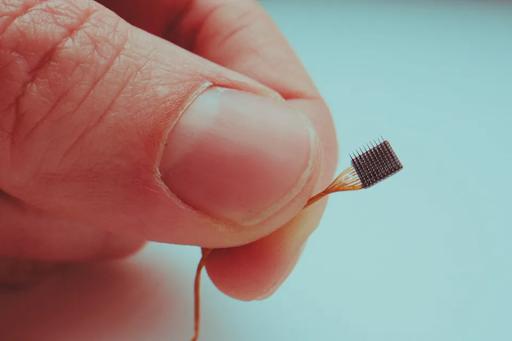
Brain-machine interface implant electrodes

Blackrock Neurotech

This story is part of a series on the current progression in Regenerative Medicine. This piece discusses advances in brain-machine interfaces.

In 1999, I defined regenerative medicine as the collection of interventions that restore to normal function tissues and organs that have been damaged by disease, injured by trauma, or worn by time. I include a full spectrum of chemical, gene, and protein-based medicines, cell-based therapies, and biomechanical interventions that achieve that goal.

Brain-machine interfaces face significant hurdles, despite scientific advances in the field. In previous months, I have discussed a number of advances in brain-machine interfaces in regenerative medicine that could improve the lives of thousands, if not millions, of people living with a range of ailments. However, we remain years away from the widespread adoption of brain-machine interfaces. A recent article in Stat News discussed the hurdles facing brain-machine interface commercialization. Here I will analyze these hurdles and discuss the future of brain-machine interfaces in regenerative medicine.

From a medical perspective, brain-machine interfaces are the next step in regenerative medicine. Those suffering from paralysis, limb loss, or other motor dysfunctions can regain the mobility they have lost. For instance, I recently discussed a decoder that takes thoughts from a patient and translates those thoughts into words. Other advances could restore partial sight to the blind, motor function to paraplegics, and so on.

From a commercial perspective, however, some have concerns about the widespread viability of brain-machine interfaces. In the Stat News article, author Lizzy Lawrence lists some issues that could become prevalent as companies attempt to bring these advances to the general public.

The first major concern for brain-machine interfaces is the development and production costs of brain chip technologies. Private equity firms have invested heavily into companies such as Elon Musk’s Neuralink, spending billions of dollars on developing brain chip-driven interfaces that have yet to be approved for human testing.

Chip production, at the time of writing, is incredibly limited. Costs for chip production fluctuate between several hundred to several thousand dollars per unit. Costs remain high because materials for production are expensive, and the product is not yet available to the public.

In an interview with The Verge, a materials scientist, Dr. Christopher Bettinger, discusses the limitations of current brain-machine interface materials. He notes that the most common material today, silicon, is too rigid to facilitate long-lasting connections with brain tissue. Small movements in the chip can elicit inflammation or even scarring, impacting the lifespan of the device.

Using silicon and other polymers introduces difficulties not only for long-term maintenance but also for initial implantation. Bettinger says polymers must be molded and implanted in “unusual or boutique ways” to yield proper results.

Other materials are in progress, including Bettinger’s own polymer film, which is much thinner and more flexible than previous materials, which hopefully will bring down production costs for the chips in the near future. It is crucial for the success of brain-machine interfaces to have low-cost, high-efficiency methods of brain chip production, something the industry currently lacks.

Another concern is that the market for these devices is not large enough to sustain their expensive research and development. While there are roughly 42.5 million people in the United and a further 1.3 billion people worldwide living with a significant disability, the vast majority will not be able to afford a costly intervention, despite the proposed upside of improving their condition.

In 2022, a study by the Commonwealth Fund found that 43% of working-age adults were inadequately insured, meaning they were uninsured, underinsured, or in an insurance gap. The median household income is just $67,000.

While the medical advances in brain-machine interfaces are incredible, they are also expensive. The NIH claims that the initial cost for a brain-machine interface is between $5,000 and $10,000, with required ongoing technical support for the duration of use.

At least in the early years, brain-machine interfaces will be a medical intervention for the wealthy, and there is a concern that there may not be enough market demand to keep the leading companies afloat.

Lawrence references Second Sight, which sold retinal implants in the late 2010s. The company reached an agreement with Medicare to receive $150,000 per device implanted, but even this unprecedented windfall could not cover their significant infrastructure costs, as the company only reached 350 patients before halting operations.

Finally, there are medical concerns as well. With invasive surgeries required to implant chips with electrodes directly onto the brain, there are risks of brain damage, hemorrhaging, infections, and so on. Chips will also require regular upkeep to maintain effective function, requiring semiregular surgical procedures, which introduces risk.

While these challenges do not need to be addressed with haste, they will become more apparent as brain-machine interface technologies advance. We are not decades away from commercializing these devices, but years.

In my view, the potential upside of improving the lives of thousands, if not millions, should outweigh financial viability concerns over the devices. Everyone has a right to live a healthy life, and we should strive to ensure that right by emboldening those who develop these technologies. As research and development continue, brain-machine interfaces will become more advanced and less expensive, calming some of the concerns we have today.

To read more of this series, please visit www.williamhaseltine.com

See also  Starches common in processed grains can curb helpful gut bacteria
BrainMachine costs Current Interfaces limit Technology
Share. Facebook Twitter Pinterest LinkedIn Tumblr Email

Related Posts

This Startup Says It Saves Medicare More Than $2 Million A Week

June 23, 2026

7 Signs You Need Physical Therapy (And How To Find the Right Provider)

June 23, 2026

Kidney transplant, livestock disease, Texas: Morning Rounds

June 22, 2026

The Hidden Hormone Controlling Your Energy, Mood, And Recovery

June 22, 2026
Add A Comment

Leave A Reply Cancel Reply

Top Posts

Mark Ruffalo Criticizes Socialist Brazilian President He Endorsed

August 12, 2023

19,000 Evacuated from Greek Island of Rhodes as Wildfires Continue

July 26, 2023

Global fashion factories in Bangladesh resigned to slimmer margins ahead of wage hike

November 8, 2023

‘Crisis:’ Small Businesses Getting Crushed Under Inflation, Labor Market

May 9, 2023
Don't Miss

MoonPay buys Entendre in digital finance infrastructure push

Finance June 23, 2026

Crypto payments firm MoonPay has acquired Entendre, a developer of AI-based accounting software used by…

House Republicans Threaten Contempt After Dem Cash Cow ActBlue Ignores Subpoenas

June 23, 2026

There Is No ‘Dignity in the White House Anymore’

June 23, 2026

‘The Most Wonderful People in the World’

June 23, 2026
About
About

This is your World, Tech, Health, Entertainment and Sports website. We provide the latest breaking news straight from the News industry.

We're social. Connect with us:

Facebook Twitter Instagram Pinterest
Categories
  • Business (4,386)
  • Entertainment (5,263)
  • Finance (3,889)
  • Health (2,328)
  • Lifestyle (1,893)
  • Politics (3,656)
  • Sports (4,620)
  • Tech (2,296)
  • Uncategorized (4)
  • World (5,170)
Our Picks

Purse size for FireKeepers Casino 400 at Michigan International Speedway

August 4, 2023

Kajol, Kriti Sanon Team on Netflix Thriller ‘Do Patti’

July 5, 2023

DOD Has to Do More to Protect Secrets 

August 8, 2023
Popular Posts

MoonPay buys Entendre in digital finance infrastructure push

June 23, 2026

House Republicans Threaten Contempt After Dem Cash Cow ActBlue Ignores Subpoenas

June 23, 2026

There Is No ‘Dignity in the White House Anymore’

June 23, 2026
© 2026 Patriotnownews.com - All rights reserved.
  • Contact
  • Privacy Policy
  • Terms & Conditions

Type above and press Enter to search. Press Esc to cancel.