

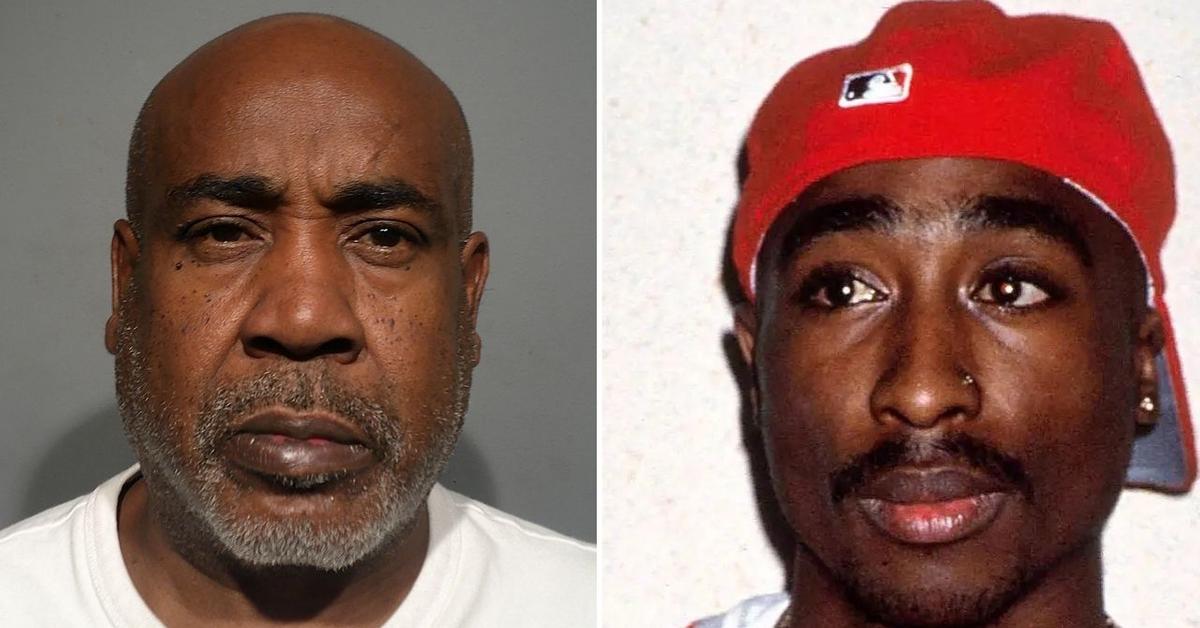
Prosecutors presented their case across eight days of testimony, including witnesses to the shooting and detectives on the case.
Additionally, they included confessions made by Davis in his own book, Compton Street Legend, and during police interviews. The conversations with police were previously made under a proffer agreement, which the judge ruled void after Davis spoke to the media with similar claims.
While the defense argued the statements were made under pressure and for financial purposes, the judge still allowed their inclusion in the trial. Davis claimed he made the statements purely for the sake of the financial payout and not to offer actual truth.
The conversation given under a proffer agreement with police was admissible because he spoke with the media, one lawyer explained to Radar.
“If you get a confidential proffer deal, you keep your mouth shut,” Peter S. Christiansen, founder of Christiansen Trial Lawyers, said. “The second Keefe D went on talk shows and wrote a tell-all book repeating those claims, he blew up his own protection. You can’t claim secrecy on something you sold for profit.”
“I sang because they promised I would not be prosecuted,” Davis wrote in his book Compton Street Legend.
During the trial, Davis did not testify, which was his right. Prosecutors, as a result, relied heavily on those proffer-made confessions and his memoir.