

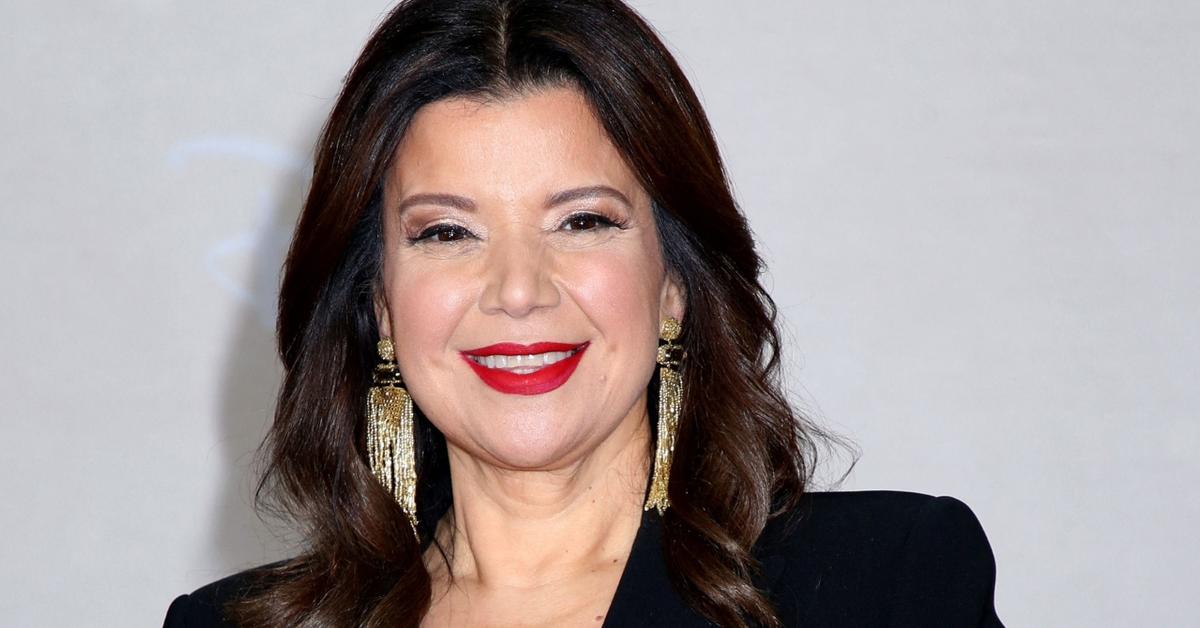
The 54-year-old said that when she and her husband talk about his diagnosis, the first thing people usually say is how sorry they are. While those people are likely well-intentioned, Navarro said that’s not what Parkinson’s patients or loved ones want to hear.
“Folks don’t want compassion, they don’t want sympathy, they don’t want to be treated differently,” Navarro said. “They want (you) to treat them like you did before you knew they had it. They want you to continue including them, to continue inviting them, to continue relying on them, to continue talking to them.”
The View co-host explained that when a Parkinson’s patient reveals their diagnosis, they are simply informing someone that they have a disease that impacts their life, so if they have “off days,” or days where they’re more “frail,” it can be understood.
However, she said it is not an invitation to treat them differently, or for relationship dynamics to change.