

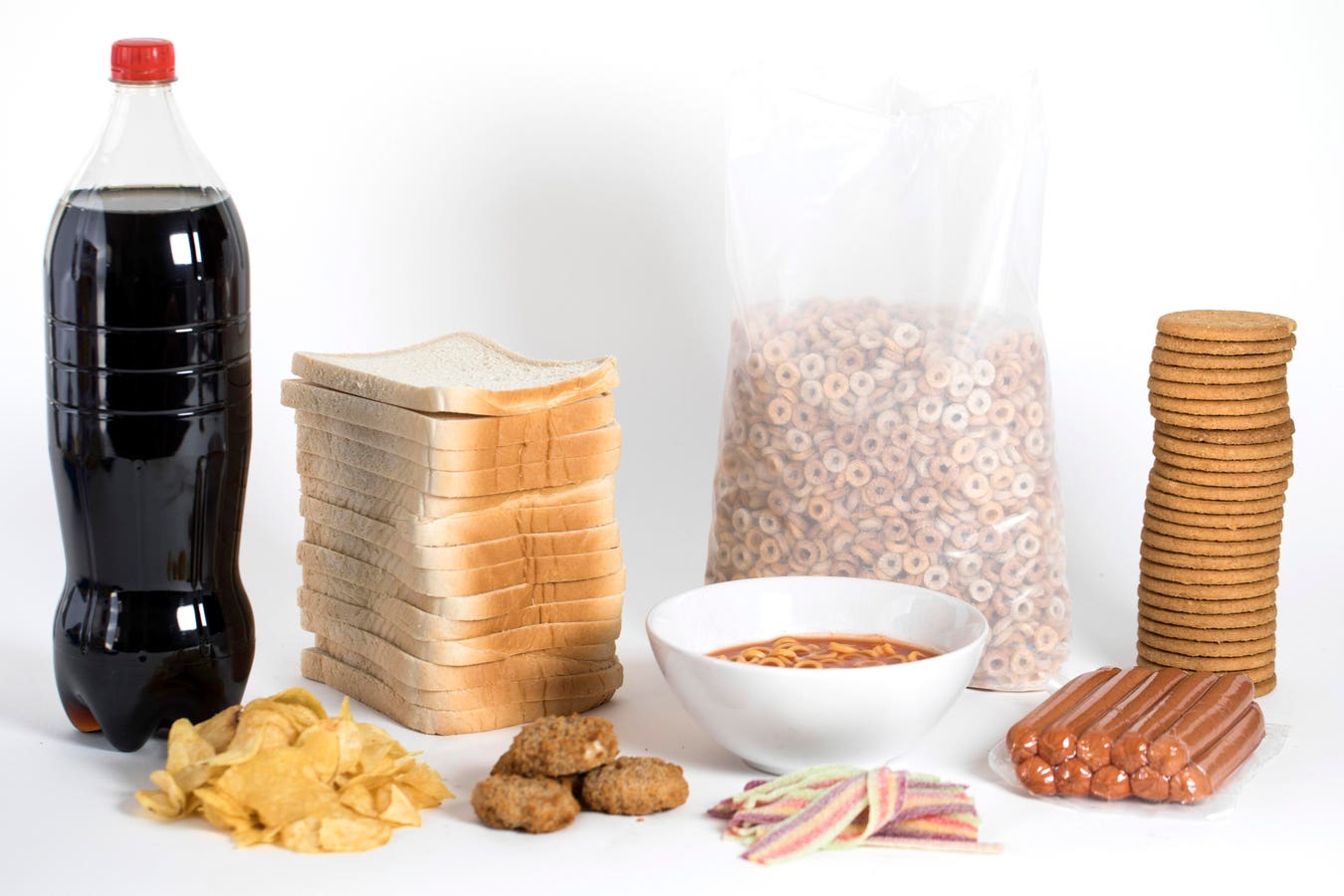
LONDON, ENGLAND – FEBRUARY 16: A photo illustration of ‘Ultra Processed’ foods on February 16, 2018 in London, England. (Photo illustration by Dan Kitwood/Getty Images)
Getty Images
Four out of every five toddler foods found in grocery stores are ultra-processed, according to new research presented at the American Society of Nutrition’s flagship annual conference, NUTRITION 2026.
Researchers reviewed nearly 28,000 products across 21 different grocery stores in Texas, and found 81% of foods meant for those between the ages of 6 months to 36 months were ultra-processed. In addition, nearly half of the foods reviewed failed to meet at least one nutritional benchmark set by the World Health Organization.
What Are Ultra-Processed Foods?
Ultra-processed foods are products that undergo extensive industrial manufacturing and usually contain ingredients not found in a home kitchen. These may include preservatives, additives, emulsifiers and added sugars or sodium. Typical examples include fruit snacks, cookies, sweetened cereals, snack bars and flavored yogurt snacks. Most of these types of foods are designed to be inexpensive, highly palatable and shelf-stable.
How Ultra-Processed Foods Can Affect Brain And Behavioral Development
The first few years of life represent one of the most important periods for brain development. During this time, the brain grows in size, develops neurons or brain cells and forms connections between cells. These developments form the foundation for future learning, language, problem-solving, memory and social skills. In order for this to occur, the brain relies heavily on protein, iron, zinc, vitamins and fiber to allow for brain cells and connections to form.
Diets high in ultra-processed foods can displace more nutritious alternatives for toddlers. These foods would include fruits, vegetables, healthy fats and whole grains that provide the necessary nutrients for the brain to thrive. Without these nutrients, optimal brain growth can be stunted.
In addition, toddlers usually establish lifelong eating habits in the first few years of life. Research consistently shows the foods toddlers choose early on affects their taste preferences, making dietary habits ingrained and influencing diet later in life. Frequent exposure to intensely sweet flavors, as present in ultra-processed foods, can alter a child’s taste preferences; ultimately making healthier foods like fruits and vegetables less appealing. These habits are formed early in life and can be challenging to reverse later in life.
Ultra-Processed Foods And Chronic Medical Conditions
Multiple studies have linked diets high in ultra-processed foods with a broad range of chronic medical conditions; including but not limited to childhood obesity, early onset type 2 diabetes, elevated cholesterol, heart disease and even some types of cancers. As an example, many ultra-processed foods are high in sugars, which can lead to type 2 diabetes, a condition defined by high blood sugar levels and impaired insulin sensitivity. In addition, these foods can also be high in salts, which predisposes individuals to getting high blood pressure as they age.
Suggestions For Parents
Busy schedules, aggressive marketing and rising grocery costs can make it difficult for parents to purchase healthy foods. Fortunately, parents can take practical steps to reduce their children’s exposure to ultra-processed foods without striving for perfection.
Parents should start by reading ingredient labels on common foods at grocery stores. Foods that contain artificial flavors, dyes and added sugars are ultra-processed and should be avoided. In addition, at home, parents can offer whole fruits instead of fruit snacks, plain yogurt instead of flavored varieties and oatmeal instead of a sugary cereal. These simple replacements can have a profound effect on a child’s health in the long-term.
Parents should also model healthy habits in front of their kids. Sharing vegetables, limiting sugary beverages and eating lean protein will teach children over time what healthy meals consist of and these behaviors can have lasting benefits as children age and make food choices on their own.
The Future
Improving a child’s nutrition will rest on much more than a parent’s choice at a grocery store. The federal government should move to have clear front-of-package labeling as well as stronger nutrition standards for foods marketed to young children. In addition, educational campaigns targeted to new parents on youth nutrition could also ameliorate understanding of what foods are best for children as they grow.
The toddler years provide a unique opportunity to establish healthy dietary patterns that could reduce the risk of chronic diseases. Small nutritional improvements today could yield health benefits that last decades.