

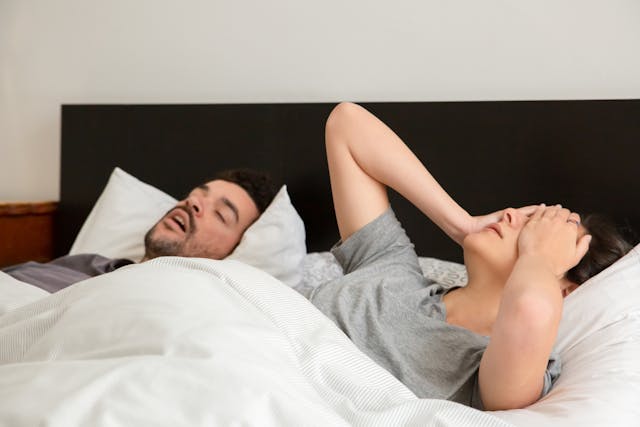
For many individuals living with sleep apnea, continuous positive airway pressure (CPAP) therapy is often the first treatment recommended. While CPAP works well for many people, others may struggle with discomfort, noise, mask fit, or maintaining long-term consistency. When treatment becomes difficult to tolerate, it can lead to frustration and interrupted progress toward better sleep.
Fortunately, sleep medicine continues to evolve. New approaches and therapies are helping patients explore alternative ways to manage sleep apnea while improving comfort and quality of life. For those interested in understanding additional treatment options and emerging solutions, it can be helpful to learn more about sleep apnea care through resources..
Below are ten important insights into modern sleep apnea care and the growing conversation around CPAP alternatives.
1. Understanding What Sleep Apnea Is
Sleep apnea is a condition that causes breathing interruptions during sleep. These pauses can occur repeatedly throughout the night and may reduce sleep quality, energy levels, and overall wellness.
Many individuals remain unaware they have sleep apnea until symptoms such as loud snoring, daytime fatigue, or interrupted sleep patterns become difficult to ignore.
2. Why CPAP Therapy Is Commonly Recommended
CPAP therapy works by delivering steady air pressure through a mask to help keep airways open during sleep. It has long been considered one of the most effective treatments for obstructive sleep apnea.
For many people, CPAP improves sleep quality significantly when used consistently and correctly.
3. Challenges Some Patients Experience With CPAP
Although CPAP is effective, not every patient finds it easy to use. Some individuals struggle with mask discomfort, dry mouth, pressure sensations, or difficulty adjusting to sleeping with equipment.
These challenges can make long-term adherence difficult, which is why healthcare providers sometimes explore alternative solutions.
4. The Growing Interest In Alternative Therapies
As awareness around sleep health increases, so does interest in treatments beyond traditional CPAP machines. Patients today are seeking solutions that better fit their comfort levels and lifestyles.
This growing demand has encouraged innovation in sleep apnea treatment technologies and approaches.
5. Personalized Sleep Apnea Care Matters
Not all sleep apnea cases are identical. Factors such as severity, anatomy, lifestyle, and personal comfort all influence treatment decisions.
A personalized approach allows healthcare providers to recommend options tailored to the individual rather than relying on a one-size-fits-all method.
6. The Role of Sleep Studies And Diagnosis
Accurate diagnosis is an essential part of effective treatment. Sleep studies help identify breathing patterns, oxygen levels, and the severity of sleep disruptions.
These evaluations provide the information needed to determine which treatment path may be most appropriate.
7. Comfort Often Influences Treatment Success
One of the most important aspects of sleep apnea treatment is consistency. Even highly effective therapies may be less helpful if patients cannot comfortably maintain them over time.
Comfort-focused treatment discussions can improve long-term adherence and overall patient satisfaction.
8. Technology Continues To Shape Sleep Medicine
Sleep medicine has advanced significantly in recent years. New technologies are creating additional pathways for patients who previously struggled with traditional methods.
As innovation continues, patients have more opportunities to explore treatments that align with their needs and preferences.
9. Education Helps Patients Feel More Empowered
Learning about sleep apnea and available treatments allows patients to participate more actively in their care decisions. Understanding options reduces uncertainty and encourages more informed conversations with healthcare professionals.
Education can also help patients recognize that treatment challenges are common and manageable.
10. Better Sleep Supports Overall Wellness
Quality sleep affects nearly every aspect of daily life, including concentration, mood, energy, and overall health. Addressing sleep apnea can contribute to improved rest and a greater sense of well-being.
When treatment becomes more comfortable and sustainable, long-term outcomes often improve as well.
Final Thoughts
Sleep apnea treatment is no longer limited to a single approach. While CPAP remains highly effective for many individuals, ongoing advancements in sleep medicine are creating additional options for those seeking alternatives.
The most important step is staying informed and working closely with healthcare professionals to identify solutions that support both effectiveness and comfort. As awareness and innovation continue to grow, sleep apnea care is becoming increasingly personalized, flexible, and patient-focused.