

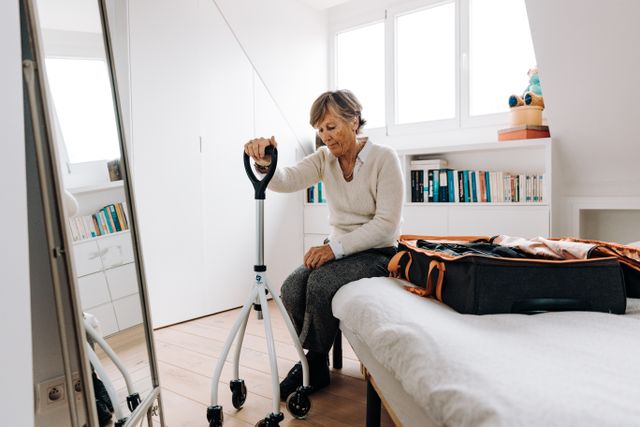
A fall can change a person’s life in an instant. According to the Centers for Disease Control and Prevention (CDC), falls are the leading cause of injury among adults 65 and older, resulting in millions of emergency department visits every year.
While aging naturally affects balance, vision, and muscle strength, many falls happen because of hazards inside the home. The good news is that many of those risks can be reduced with thoughtful planning and a few well-chosen modifications.
Whether you’re preparing your own home, helping an aging parent remain independent, or planning ahead for the future, making your home safer today can help prevent injuries tomorrow.
Most Falls Happen Inside The Home
When people think about falls, they often picture icy sidewalks or uneven pavement. In reality, many falls happen in familiar places where we spend the most time.
Bathrooms, bedrooms, kitchens, hallways, staircases, and entryways all present potential hazards.
Some of the most common include:
- Slippery bathroom floors
- Loose throw rugs
- Poor lighting
- Cluttered walkways
- Uneven flooring
- Stairs without secure handrails
- Raised thresholds between rooms
Because these hazards develop gradually, homeowners often stop noticing them until someone gets hurt.
Grab Bars Provide Stability Where It’s Needed Most
Bathrooms are one of the most common locations for falls because water and smooth surfaces don’t mix well.
Installing grab bars near toilets and inside showers or tubs gives people a secure place to steady themselves while sitting, standing, or stepping in and out of the shower. Unlike towel bars, grab bars are designed to support body weight and should always be installed securely into wall framing.
Today’s designs come in a variety of finishes that blend nicely with modern bathrooms, making them feel like part of the design rather than medical equipment.
Walk-In Showers Can Reduce One Of The Biggest Fall Risks
Stepping over the side of a traditional bathtub becomes more difficult as mobility changes. A walk-in shower removes that obstacle entirely. Many also include features that improve both comfort and safety, including:
- Slip-resistant flooring
- Built-in seating
- Handheld showerheads
- Multiple grab bars
- Wider entrances
These upgrades can make daily routines easier while helping homeowners remain independent.
Better Lighting Makes Every Room Safer
As we age, our eyes need more light to see clearly. Dark hallways, dim staircases, and poorly lit entryways make it easier to miss changes in floor height or objects in the walking path.
Simple improvements may include:
- Brighter LED bulbs
- Motion-activated night lights
- Stair lighting
- Exterior pathway lighting
- Under-cabinet lighting in kitchens
Better visibility benefits everyone, not just older adults.
Remove Everyday Tripping Hazards
Many falls happen because of small obstacles that most of us barely notice any more.
Take a walk through the home and look for things like:
- Loose area rugs
- Extension cords across walkways
- Electrical cords behind furniture
- Shoes left near doorways
- Clutter in hallways
- Unstable furniture
Keeping walking paths clear is one of the easiest and least expensive ways to improve home safety.
Choose Flooring That Provides Better Traction
Certain flooring materials become slippery when wet or highly polished. Replacing worn flooring with slip-resistant surfaces can improve stability in bathrooms, kitchens, laundry rooms, garages, and entryways.
If replacing flooring isn’t practical, properly secured non-slip mats may also help reduce the risk of slipping.
Add Handrails On Both Sides Of Staircases
Stairs require strength, balance, and coordination. Adding sturdy handrails on both sides of the staircase gives homeowners additional support going both up and down.
Other improvements worth considering include:
- Non-slip stair treads
- Improved overhead lighting
- High-contrast stair edges
- Repairing loose or uneven steps
Small changes can make a noticeable difference in stair safety.
A Zero-Step Entrance Makes Coming And Going Easier
Even a single step at the front door can become challenging over time. A zero-step entrance creates a smooth transition into the home, making it easier for people using walkers, wheelchairs, or canes while also reducing the chance of tripping.
It also makes everyday activities, such as carrying groceries or moving luggage, much more convenient.
Wider Doorways Improve Accessibility
Many older homes were built with narrow doorways that can be difficult to navigate with walkers or wheelchairs. Widening doorways creates more comfortable access throughout the home while giving caregivers additional room to assist when necessary.
It’s a modification that often goes unnoticed until it’s needed.
Consider Moving Essential Living Space To The First Floor
For homeowners with two-story homes, repeatedly climbing stairs can eventually become both tiring and risky. Creating a first-floor bedroom and, if possible, a nearby full bathroom can reduce the need to use stairs throughout the day.
Many families choose to make this change before mobility becomes a concern, allowing them to stay comfortably in the home they already love.
Stair Lifts Can Extend Independence
Some homeowners want to remain in multi-story homes but find stairs increasingly difficult. A stair lift offers another option by safely transporting someone between floors without requiring them to climb each step.
Whether it’s the right solution depends on the home’s layout and the homeowner’s long-term needs, but it can help many people continue living independently.
Smart Technology Can Add Another Layer Of Safety
Home technology has made aging in place easier than ever.
Depending on individual needs, homeowners may benefit from:
- Motion-activated lighting
- Smart home monitoring
- Voice-controlled assistants
- Video doorbells
- Fall detection devices
- Smart smoke and carbon monoxide detectors
- Medication reminders
These tools don’t replace physical home improvements, but they can provide additional peace of mind for both homeowners and family members.
Emergency Response Systems Can Help When Every Minute Counts
Even the safest home cannot eliminate every risk.
Personal emergency response systems allow someone to quickly contact emergency services or family members if a fall occurs. Many newer systems can even detect certain falls automatically and request help when the wearer is unable to respond.
Knowing help is only a button away provides reassurance for both older adults and their loved ones.
Planning Ahead Gives You More Choices
One of the biggest misconceptions about accessibility modifications is that they’re only necessary after someone has been injured.
In reality, planning ahead often leads to better decisions. Homeowners have more time to compare products, work with experienced contractors, and complete projects on their own schedule instead of rushing after a hospitalization or unexpected health event.
Many of these improvements also make everyday life easier, regardless of age.
Don’t Let The Cost Delay Important Safety Improvements
Some upgrades, such as improved lighting or grab bars, are relatively inexpensive. Larger projects like walk-in showers, stair lifts, wider doorways, or zero-step entrances require a bigger investment.
For homeowners who would rather preserve their savings than pay for everything upfront, financing may be another option to consider. Some contractors offer financing through companies like Pasha Funding, allowing homeowners to review offers from lenders and choose a payment option that fits their budget. Instead of postponing important safety improvements, financing may make it possible to complete the work sooner while spreading the cost over predictable monthly payments.
The Bottom Line
Preventing falls isn’t about expecting the worst. It’s about making a home safer, more comfortable, and better suited for the years ahead.
Whether that means installing grab bars, improving lighting, replacing slippery flooring, adding a zero-step entrance, widening doorways, or upgrading to a walk-in shower, every improvement can contribute to greater confidence and independence.
The best time to make a home safer is usually before it’s absolutely necessary. Planning ahead gives homeowners more flexibility, more options, and a better chance of remaining in the place they feel most at home.