

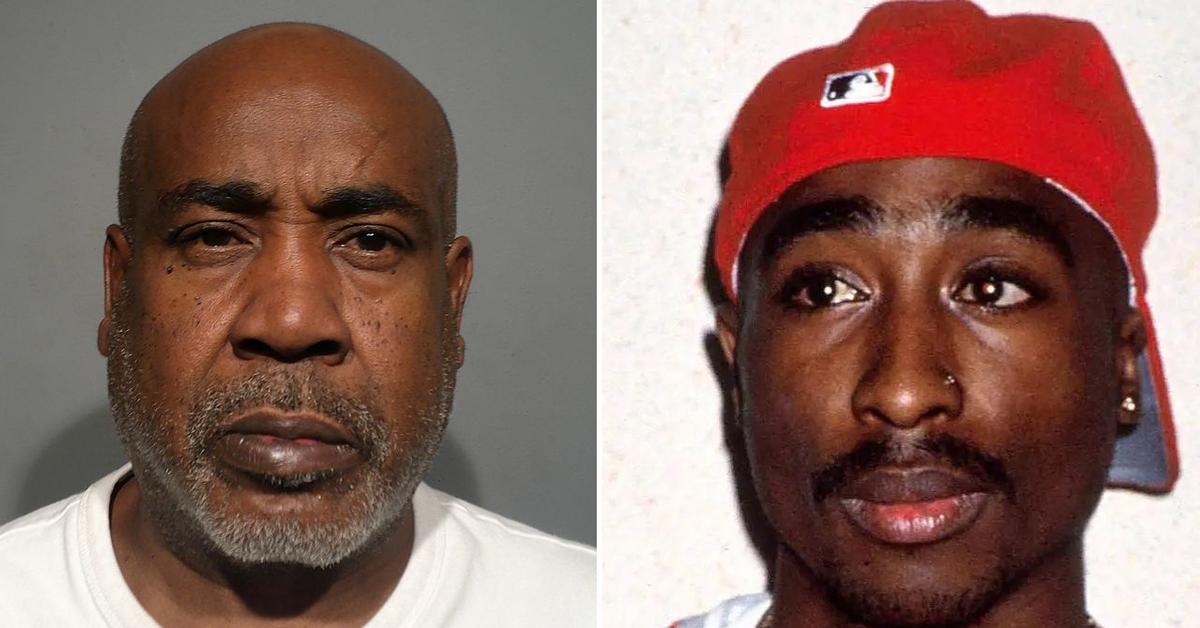
Before the trial, the judge ruled both the police interview and excerpts from his book were allowed to be admitted into court.
One expert attorney told Radar that the former gangster “blew up his own case” by going public with his tale. He argued a proffer agreement, which means police promise not to prosecute someone if they squeal, becomes void if the individual turns around and tells the public the same facts.
“If you get a confidential proffer deal, you keep your mouth shut,” Peter S. Christiansen, founder of Christiansen Trial Lawyers said. “The second Keefe D went on talk shows and wrote a tell-all book repeating those claims, he blew up his own protection. You can’t claim secrecy on something you sold for profit.”
As for the book, Davis claimed he wasn’t involved in its writing. Instead, he alleged a ghostwriter offered him a massive sum to tell a story. The writer, Davis alleged, embellished the events of the night, resulting in an inaccurate version of the story.
“I sang because they promised I would not be prosecuted,” Davis wrote in his book Compton Street Legend.