

As Mongolians prepare for the back-to-school season while tourists prepare for long road trips, the transportation sector is in limbo. Long lines of cars wait for hours for fuel, sometimes to find no fuel at all. The government was forced to impose restrictions on fuel sales by limiting the maximum amount that can be purchased on select days.
The cause of the crisis can be attributed to both external geopolitical factors and internal country dynamics, highlighting Mongolia’s ongoing energy insecurity. The cure might be a path toward transportation electrification.
While Mongolia has proven crude oil deposits, the country is solely dependent on imported fuel, with 97 percent of it coming from Russia. The war in Ukraine and the conflict in the Middle East are creating instability in global energy systems, which could impact the supply side. However, despite the popular notion of delays in Russian fuel shipments to Mongolia, sources have not cited any “major” delays from Russia, which makes it harder to pinpoint the cause of the current situation.
Internally, urbanization and a mining boom in Mongolia have pushed demand higher, by up to 14 percent annually. For instance, Mongolia imported roughly 500,000 tonnes of petrol and diesel fuel in 2005; however, this number jumped five times higher within 20 years, reaching close to 2.7 million tonnes in 2025.
The strategic vulnerability caused by Mongolia’s fuel dependency is a well-established fact within energy security calculus. The government has been pursuing a diversification plan, including talks with Kazakhstan on fuel imports and, more recently, with South Korea. Last week, Mongolian Minister of Industry and Mineral Resources Damdinnyam Gongor was in South Korea, striking deals on petroleum products. The country is expected to receive the first batch of diesel, petroleum, and aviation fuel from South Korea as soon as this month, according to the Government of Mongolia’s social media page. However, this strategy of diversification does not address the fundamental question of Mongolia’s dependency on fuel imports.
As of August 5, the average reserve for petrol (AI-92 and AI-95) ranged from 11 to 13 days. The diesel reserve was enough for 18 days, and aviation fuel stood at 10 days, further showcasing the country’s unpreparedness for major fuel disruption. While previous governments aimed to secure and maintain three to six months of fuel reserve, a lack of proper infrastructure and implementation caused this target to be repeatedly missed. The current government vowed to expedite the reserve infrastructure, but it will not be operational until 2028.
Furthermore, the spike in global energy prices is likely to weigh heavily on average consumers and the state budget alike. In 2025, diesel and petrol alone accounted for roughly one-third of all imported products by value in Mongolia, and that’s was with discounted Russian fuel. Other fuel sources, including ones from China, could be economically challenging.
With a record high number of foreigners visiting Mongolia this summer, the current fuel shortages not only affect Mongolians. Many tourists are seeing disruptions to planned trips. On August 4, the U.S. Embassy in Mongolia advised Americans to delay or defer any non-essential travel to the country, citing the fuel shortage. This is a significant and unfortunate message to the rest of the world, as Mongolia has prioritized tourism as one of its key priority areas for economic diversification. Summer months are the peak season for tourists, and according to industry experts, the ongoing fuel shortage is forcing the tourism sector to stand still while undermining economic activity.
While the government has been issuing press releases with its policy responses, there is one interesting point missing thus far: transportation electrification. While the policymakers seem to recognize the risk of fuel dependency, replacing one source of imports with another source (diversification) will not change the end calculus. Yes, the continued establishment of Mongolia’s first oil refinery is underway and is expected to be operational by 2028. However, Mongolia’s long-term energy strategy must move toward electrification and renewable energy expansion.
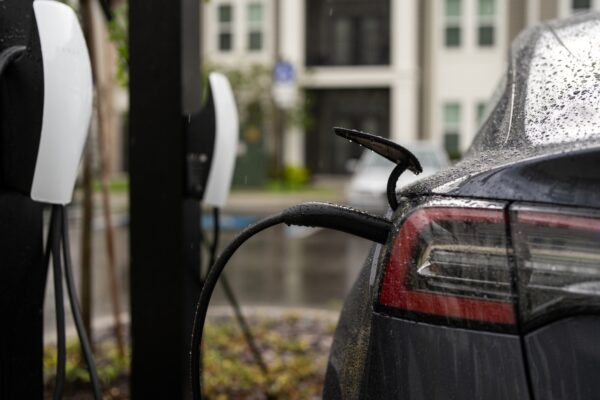
There is a quiet but visible presence of electric cars in the streets of Ulaanbaatar. With their bright green license plates, they roam without “day restrictions” (conventional vehicles are required by law not to operate one day a week in an effort to curb Ulaanbaatar’s infamous traffic). Big Chinese EV producers like BYD are slowly establishing their dealerships in Mongolia’s capital city, perhaps waiting for the government to prioritize transportation electrification.
While almost every part of the global economy suffers from an energy crisis, including Mongolia, the country has the opportunity to craft a substantial long-term energy security policy that includes transportation electrification. Fuel as a whole accounts for the largest import commodity by value in the country; Mongolia’s untapped renewable energy capacity could point to a different future for its transportation needs.